
Cloud Gaming and Cross-Platform Experiences
Gaming has always been driven by hardware innovation—from the early days of arcade machines to powerful consoles and high-end gaming PCs. But a new era is emerging where physical hardware may no longer be the barrier to high-quality play. The rise of cloud gaming and the expansion of cross-platform experiences are reshaping the industry, making games more accessible, affordable, and interconnected than ever before.
With cloud technology, games are streamed directly from remote servers, eliminating the need for expensive hardware. Meanwhile, cross-platform integration allows players across consoles, PCs, and mobile devices to compete and cooperate seamlessly. Together, these two trends are redefining how players experience interactive entertainment, pointing toward a future where gaming is about access, not ownership.
What Is Cloud Gaming and How It Works
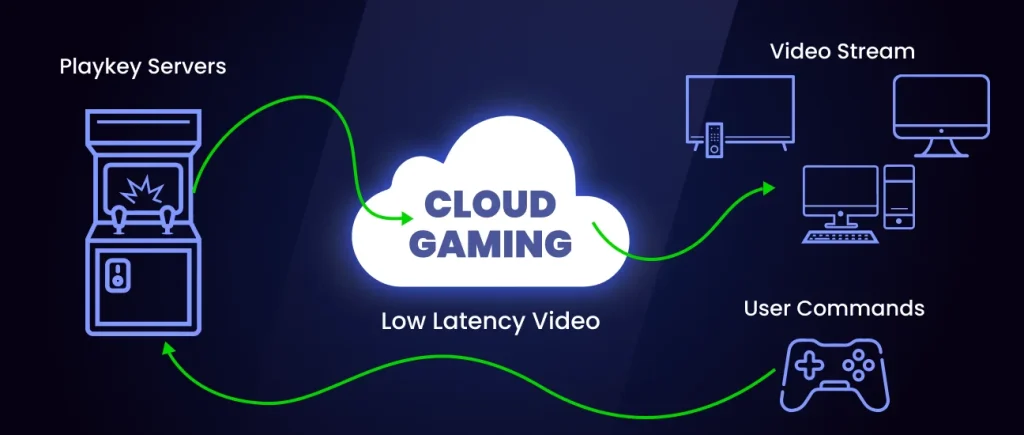
Cloud gaming is a model where games are hosted on remote servers and streamed directly to a player’s device via the internet. Instead of requiring powerful GPUs or consoles, the game runs in the cloud, and the device simply acts as a display and input receiver.
How Cloud Gaming Delivers Games Across Devices
- The player launches a game through a cloud gaming platform.
- Commands (like button presses) are sent to remote servers.
- The game is processed in the cloud and video output is streamed back.
- The player experiences near real-time interaction.
Key Advantages of Cloud Gaming for Players and Developers
- Accessibility: Play high-end games on low-spec devices.
- Affordability: No need for expensive consoles or gaming PCs.
- Instant Play: No downloads or updates required.
- Scalability: Games can scale across multiple devices easily.
Cross-Platform Experiences in Cloud Gaming
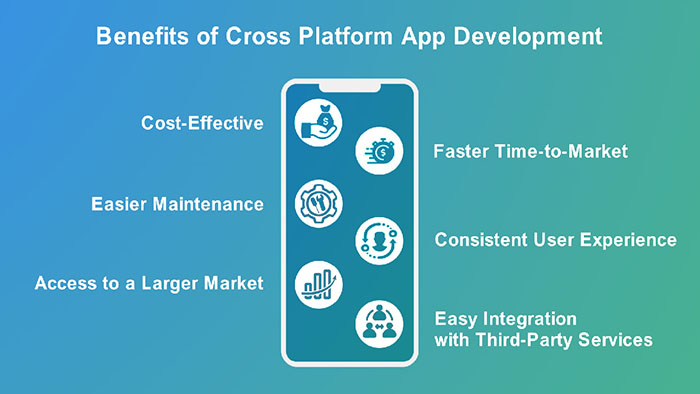
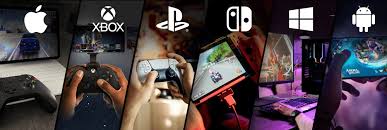
Cross-platform gaming allows players on different devices (e.g., Xbox, PlayStation, PC, mobile) to play the same game together. This removes traditional barriers and fosters larger, more inclusive communities.
Popular Titles Leveraging Cloud Gaming and Cross-Platform Play
- Fortnite
- Minecraft
- Call of Duty: Warzone
- Rocket League
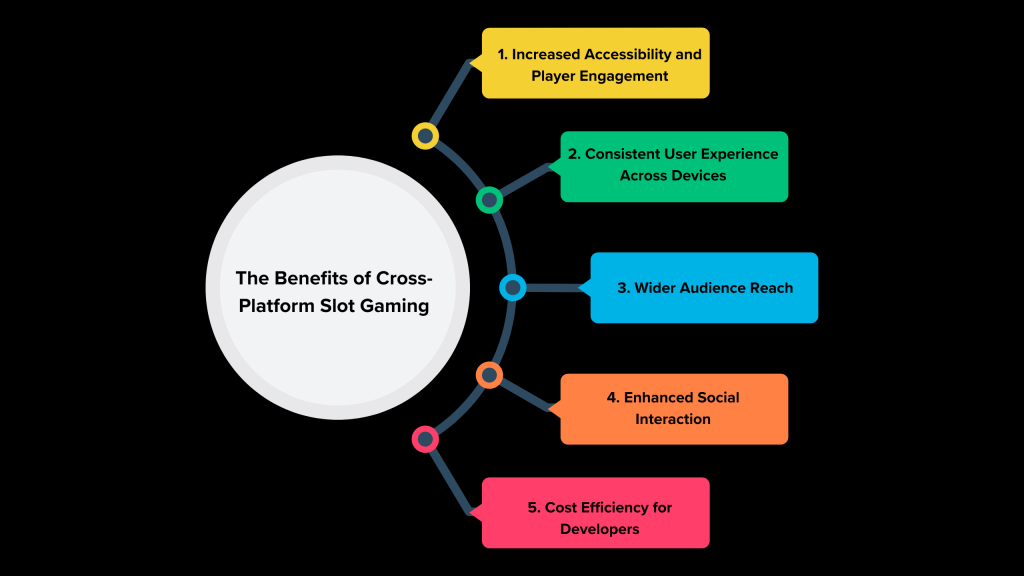
Benefits of Cross-Platform Gaming
- Unified Communities – Friends can play together regardless of device.
- Extended Game Lifespan – Larger player bases keep games active longer.
- Flexibility – Players can switch devices without losing progress.
Major Cloud Gaming Platforms
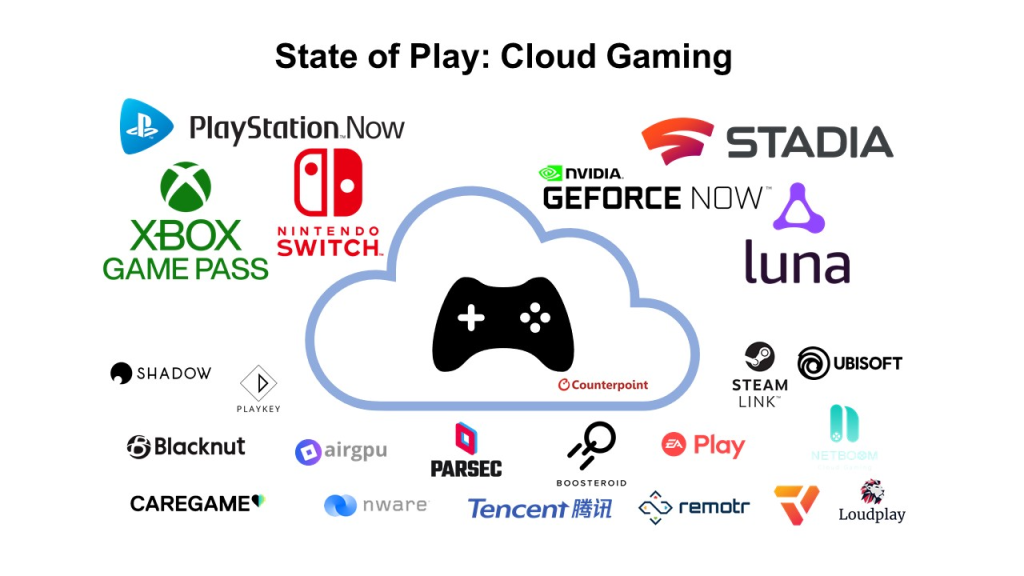
- NVIDIA GeForce NOW – Offers PC-quality streaming across devices.
- Xbox Cloud Gaming (Game Pass Ultimate) – Integrated with Microsoft’s Xbox ecosystem.
- PlayStation Plus Premium – Sony’s approach to streaming classic and new titles.
- Amazon Luna – Subscription-based with multiple game channels.
- Google Stadia (discontinued but influential in shaping cloud).
Each platform brings unique strengths, but all share the vision of making gaming without consoles a reality.
Cloud Gaming and Cross-Platform Integration
The true revolution emerges when cloud gaming platforms combine with cross-platform experiences. Imagine starting a game on your phone during a commute, continuing on a PC at work, and finishing on a console at home—with progress synced seamlessly.
Key Features of Integration
- Cloud Saves – Sync progress across all devices.
- Cross-Play – Multiplayer functionality across platforms.
- Cross-Buy – One purchase grants access on multiple platforms.
- Device Agnostic Gaming – The game becomes independent of hardware.
Challenges in Cloud Gaming and Cross-Platform Play
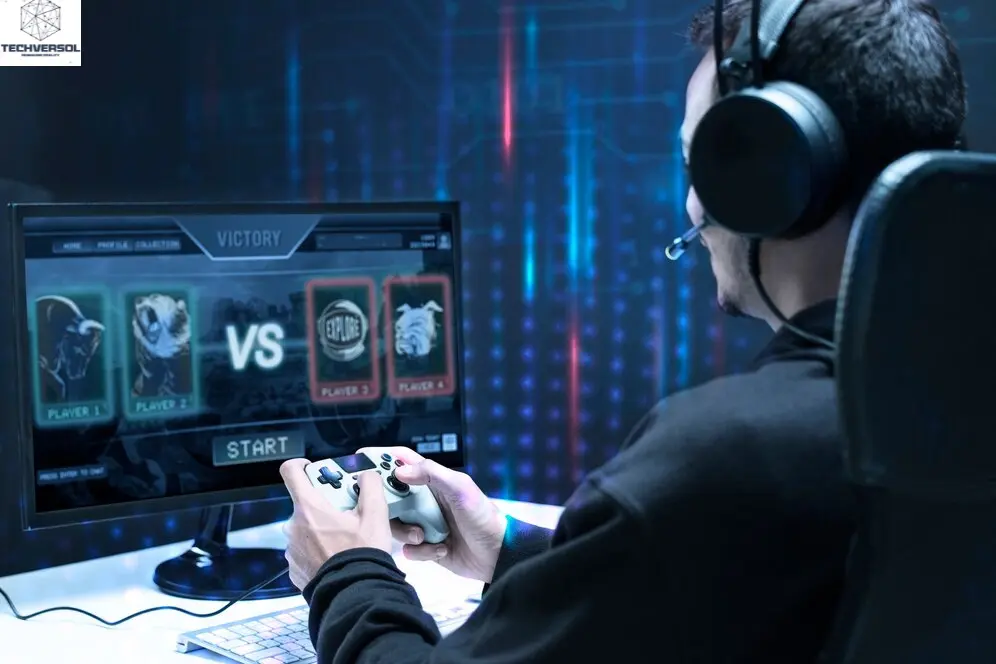
Latency and Connectivity
Cloud gaming relies heavily on internet speed. Any lag impacts gameplay, especially for competitive titles.
Licensing and Ecosystem Barriers
Cross-platform play requires cooperation between rival companies, which is often slowed by licensing issues and business strategies.
Data Privacy and Security
Streaming services and cross-platform accounts raise concerns over data collection and security breaches.
Game Performance
While cloud gaming is improving, it may still struggle with high-resolution, high-frame-rate consistency compared to local hardware.
Benefits for Developers and Players
For Developers
- Wider Reach – Games can be played on more devices, reaching bigger audiences.
- Reduced Piracy – Makes piracy more difficult.
- New Monetization Models – Subscription services open recurring revenue streams.
For Players
- Accessibility – No need for expensive hardware upgrades.
- Flexibility – Play anytime, anywhere, on any device.
- Community Growth – Cross-platform communities enhance engagement.
The Future of Cloud Gaming
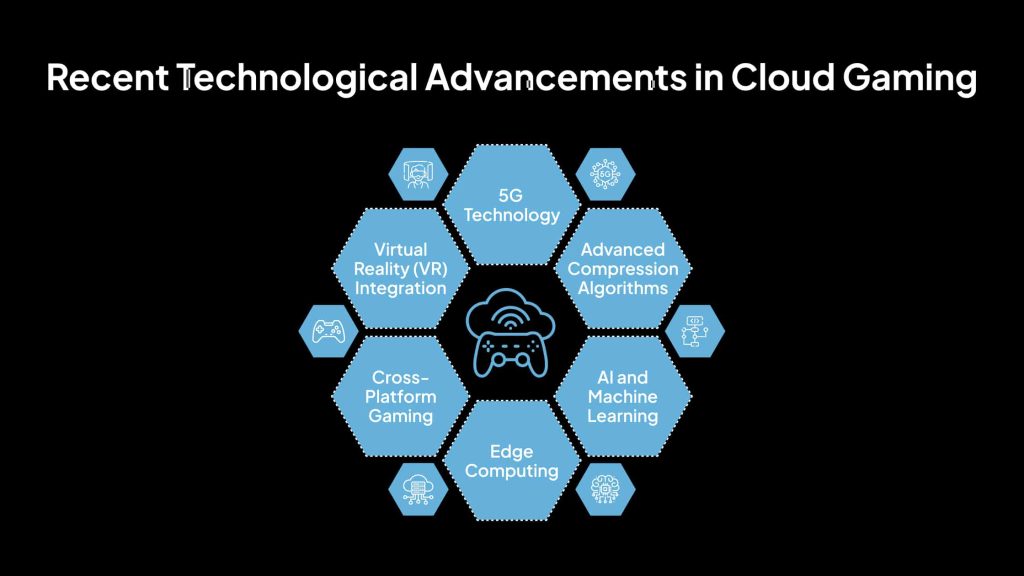
5G and Beyond
The rollout of 5G networks drastically reduces latency, making real-time streaming smoother and more reliable.
Edge Computing
Processing closer to the user will cut lag and improve responsiveness, critical for competitive gaming.
Subscription Ecosystems
Just like Netflix changed movies, subscription-based gaming models will dominate, offering massive libraries on-demand.
VR and AR Integration
Cloud-powered VR/AR gaming experiences will remove hardware limitations, making immersive gaming accessible to all.
AI in Cloud Gaming
AI will optimize game streaming by predicting network fluctuations, adjusting resolution, and customizing user experiences.
The Future of Cross-Platform Gaming
Standardized Accounts
Unified gaming identities across platforms will simplify access and social interaction.
Broader Cross-Play Adoption
More companies will adopt cross-play as players demand inclusivity.
Esports Expansion
Cross-platform compatibility will expand esports audiences and participation.
Hybrid Gaming Models
Cross-play, and local hardware may merge into hybrid models, offering players maximum flexibility.
Conclusion
The combination of cloud gaming and cross-platform experiences marks a turning point in the gaming industry. No longer tied to expensive consoles or locked ecosystems, players now have unprecedented freedom in how and where they play.
While challenges remain—such as latency, licensing hurdles, and performance—technological progress in 5G, edge computing, and AI is rapidly overcoming these barriers. The future of gaming is about accessibility, inclusivity, and interconnectedness.
For players, this means more freedom. For developers, it means larger audiences. And for the industry, it signals a shift toward gaming as a service rather than a product.
The age of gaming without consoles is no longer a distant dream—it is quickly becoming the new reality.