
Mobile Esports: The Rise of Competitive Gaming
The rise of mobile esports has transformed competitive gaming into a truly global phenomenon. Once limited to internet cafés and local tournaments, esports now thrives on mobile devices, reaching millions of players worldwide. With iconic titles like PUBG Mobile and Mobile Legends: Bang Bang, the competitive scene proves that mobile gaming is not just casual fun—it’s the next stage of professional esports evolution.
Esports has grown from small-scale competitions in internet cafés to billion-dollar global tournaments watched by millions. Traditionally, the esports scene was dominated by PC and console gaming, with titles like Counter-Strike, Dota 2, and League of Legends leading the way. But in recent years, a new wave has surged to the forefront—mobile esports.
The rise of competitive mobile games has been nothing short of revolutionary. From PUBG Mobile to Mobile Legends: Bang Bang, mobile titles are no longer casual distractions but legitimate platforms for professional play. With smartphones becoming increasingly powerful and internet connectivity expanding globally, mobile esports is reshaping the future of competitive gaming.
This article explores the history, growth, and future of mobile esports while analyzing the opportunities and challenges of this rapidly evolving industry.
The Rise of Mobile Esports: Origins and Early Development
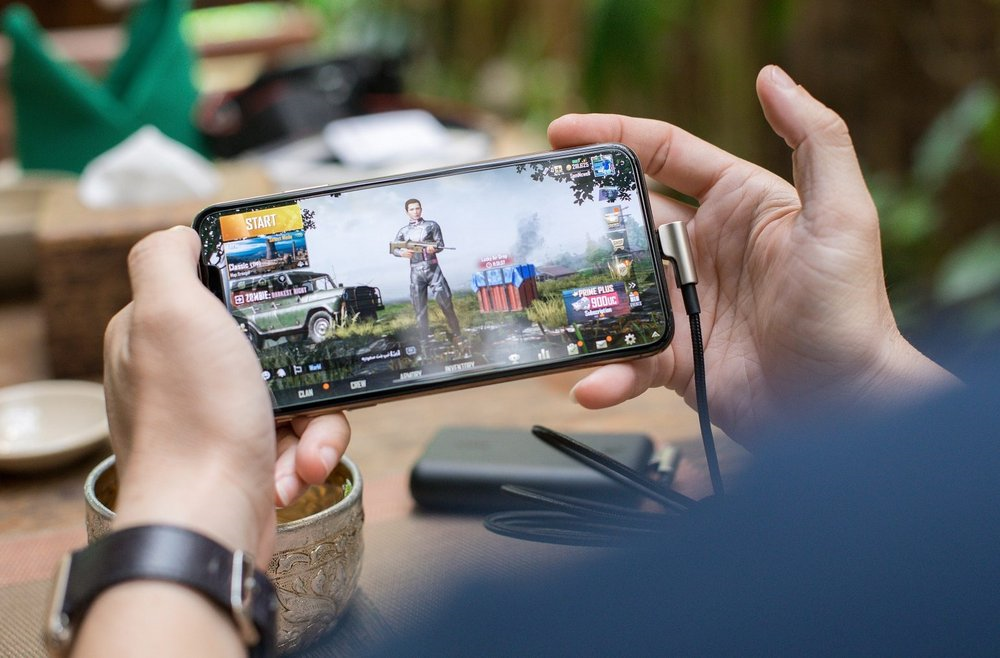
How Early Mobile Games Laid the Groundwork for the Rise of Mobile Esports
Mobile gaming started with classics like Snake on Nokia phones. While addictive, these early games lacked online multiplayer and competitive structures.
The Smartphone Revolution Driving the Rise of Mobile Esports
The introduction of smartphones and app stores transformed mobile gaming. Titles like Angry Birds and Clash of Clansbrought gaming to the masses, but esports potential remained limited due to technical constraints.
First Steps Toward Competitive Play
Games like Clash Royale and Vainglory introduced online ranked systems and official tournaments, laying the foundation for professional mobile gaming.
Why the Rise of Mobile Esports Is Unstoppable
Accessibility
Unlike gaming PCs or consoles, smartphones are affordable and widely available. Billions of people already own mobile devices, making entry into mobile esports tournaments much easier.
Affordability
Players do not need to spend thousands on gaming rigs or consoles. A mid-range smartphone and stable internet connection are often enough to compete.
Global Connectivity
4G and 5G networks have made seamless online multiplayer possible even in developing regions. This has expanded esports beyond traditional strongholds in North America, Europe, and East Asia.
Developer Support
Game developers now design mobile titles with esports in mind, offering competitive balance, ranked systems, and official events.
Popular Mobile Esports Titles
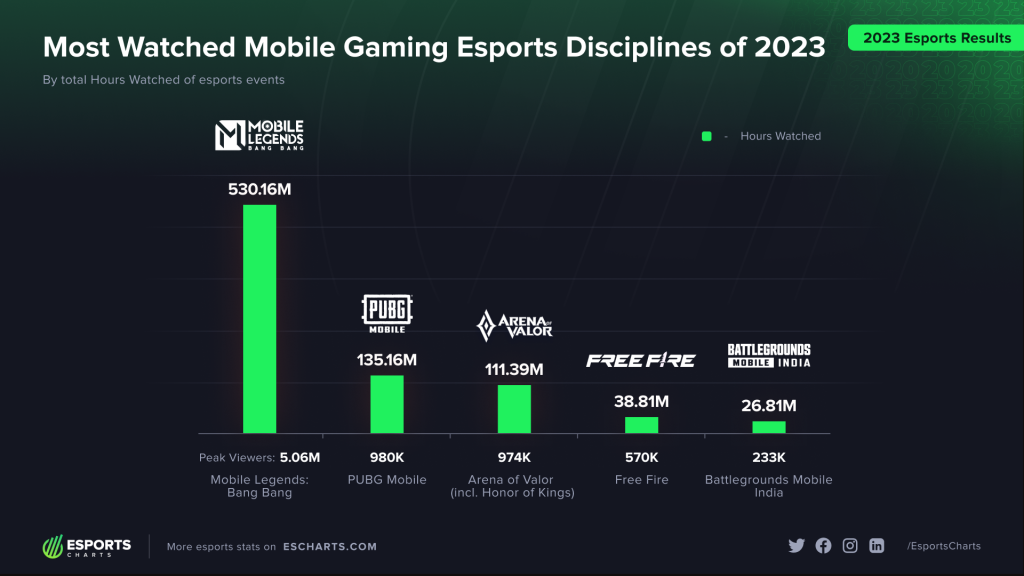
1. PUBG Mobile
- One of the most popular competitive mobile games worldwide.
- Features massive tournaments like PUBG Mobile Global Championship with multi-million-dollar prize pools.
2. Mobile Legends: Bang Bang (MLBB)
- Particularly dominant in Southeast Asia.
- MLBB Professional League (MPL) draws millions of viewers per season.
3. Free Fire
- A battle royale optimized for lower-end devices.
- Extremely popular in Latin America, India, and Southeast Asia.
4. Call of Duty: Mobile
- Brings the iconic franchise to mobile with competitive multiplayer and battle royale modes.
5. Clash Royale
- Pioneered mobile esports with its early global tournaments.
The Rise of Mobile Esports Tournaments Worldwide

The scale of mobile esports tournaments rivals traditional PC events.
Key Tournaments
- PUBG Mobile Global Championship (PMGC) – Prize pools exceeding $5 million.
- MPL (Mobile Legends Professional League) – Regional leagues with global finals.
- Free Fire World Series – Massive global competition with record-breaking viewership.
- Call of Duty Mobile World Championship – Expanding annually with developer backing.
Prize Pools and Sponsorships
Prize pools have grown from tens of thousands to millions of dollars, attracting major sponsors like Red Bull, Samsung, and Intel.
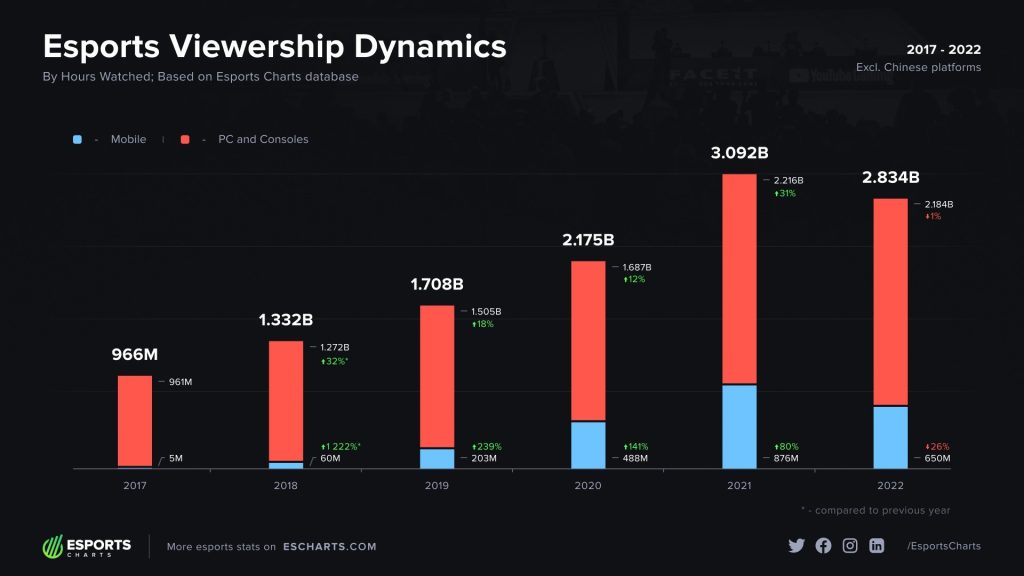
Mobile Esports Viewership
Streaming Platforms
Mobile esports thrives on platforms like YouTube Gaming, Facebook Gaming, and Twitch.
Global Audience
Viewership is highest in Southeast Asia, India, Latin America, and the Middle East—regions where PC/console gaming is less dominant.
Record Numbers
The Free Fire World Series 2021 peaked at over 5.4 million concurrent viewers, one of the highest in esports history.
Players Fueling the Rise of Mobile Esports
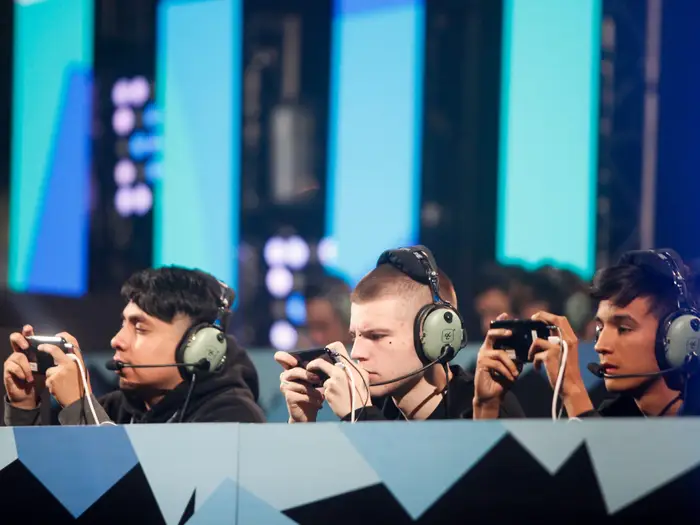
Training and Dedication
Professional mobile players follow rigorous training schedules, often practicing 8–12 hours a day.
Salaries and Sponsorships
Top players earn salaries, streaming revenue, and brand sponsorships. Organizations like Team Secret, Fnatic, and Natus Vincere now invest in mobile divisions.
Rising Stars from Developing Regions
Mobile esports creates opportunities for players from countries with limited PC/console gaming infrastructure, democratizing esports on a global scale.
How 5G Accelerates the Rise of Mobile Esports
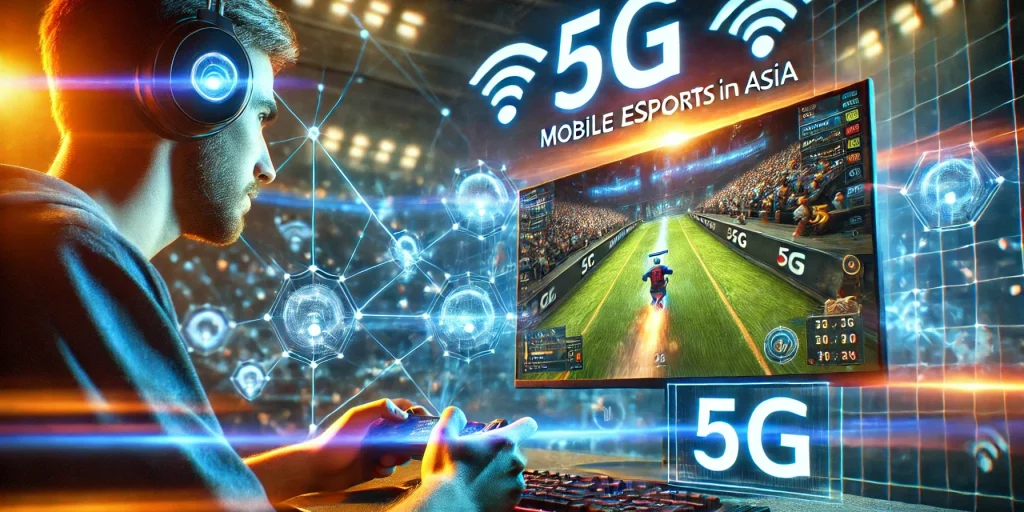
The rollout of 5G networks is a game-changer:
- Ultra-Low Latency – Critical for competitive gaming.
- Higher Bandwidth – Enables smoother streaming and gameplay.
- Expanding Reach – Opens esports opportunities in rural areas.
Challenges Slowing Down the Rise of Mobile Esports
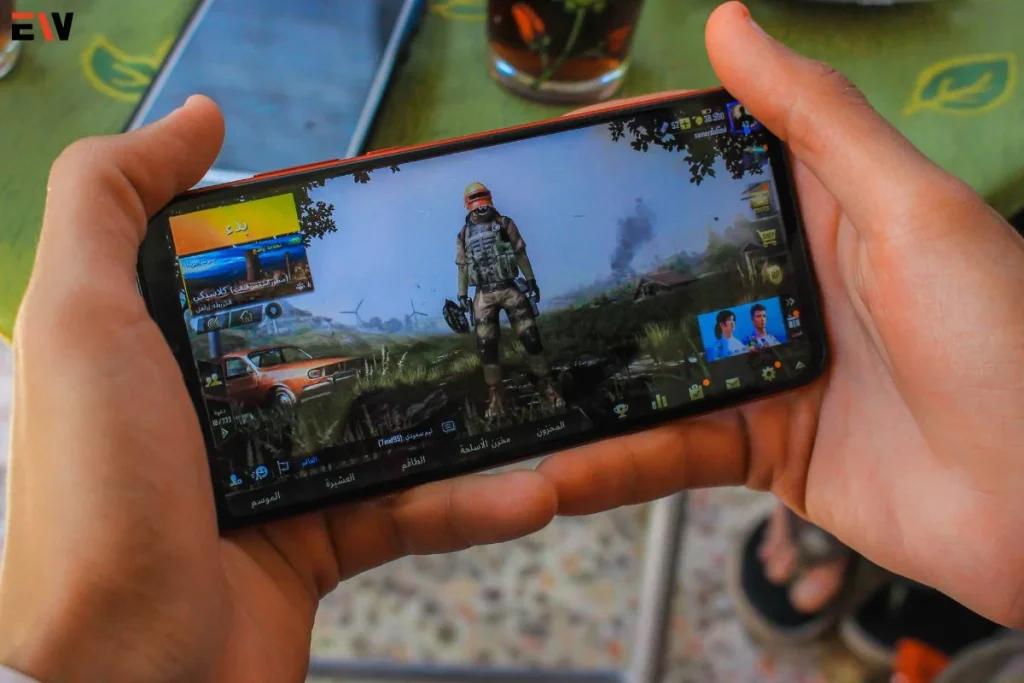
Perception Issues
Some still see mobile esports as “less serious” compared to PC or console. Changing this mindset is an ongoing challenge.
Device Fragmentation
Different devices with varying performance levels make it difficult to ensure fair competition.
Cheating and Security
Mobile platforms are vulnerable to hacking and cheating, requiring strict anti-cheat measures.
Longevity of Titles
Mobile games often rise and fade quickly compared to established PC esports titles, creating uncertainty for long-term ecosystems.
The Future of the Rise of Mobile Esports Industry
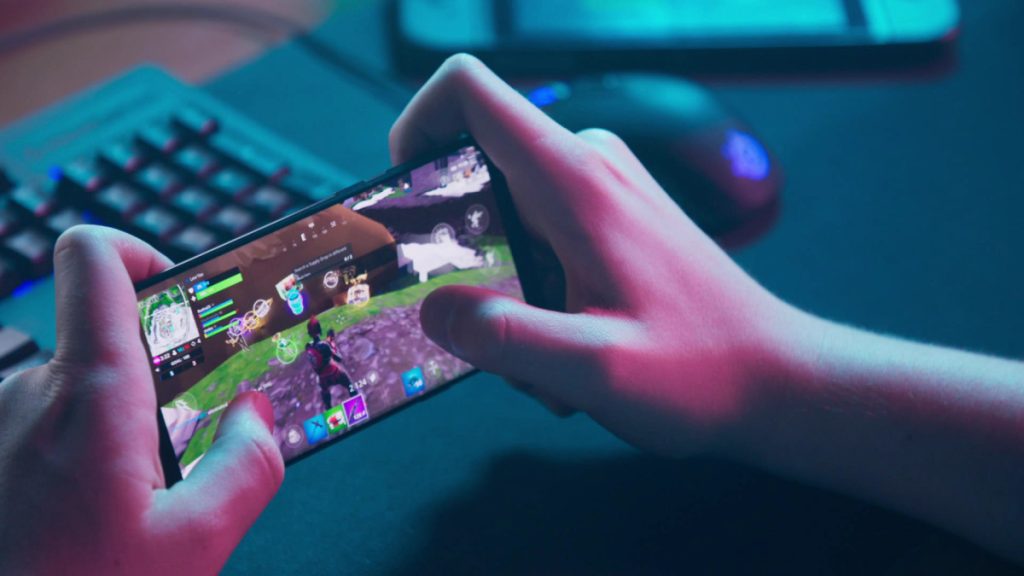
Growth in Emerging Markets
Regions like Southeast Asia, India, and Africa will drive the next wave of mobile esports adoption.
VR and AR Mobile Esports
With advancements in mobile VR and AR, new competitive formats will emerge.
Hybrid Esports Ecosystems
Mobile esports will increasingly coexist with PC and console esports, creating cross-platform events.
Institutional Recognition
Mobile esports could be included in multi-sport events like the Olympics and Asian Games, giving it further legitimacy.
Conclusion
The rise of mobile esports signals a fundamental shift in the gaming landscape. Once dismissed as casual entertainment, mobile gaming has matured into a global competitive phenomenon. With billions of smartphone users, powerful devices, 5G connectivity, and developer support, mobile esports tournaments are reaching unprecedented heights.
The future of mobile gaming is not just bright—it’s competitive, professional, and global. Mobile esports is no longer on the sidelines; it is at the very center of the industry’s evolution.