
Foldable and Rollable Phones: The Next Form Factor
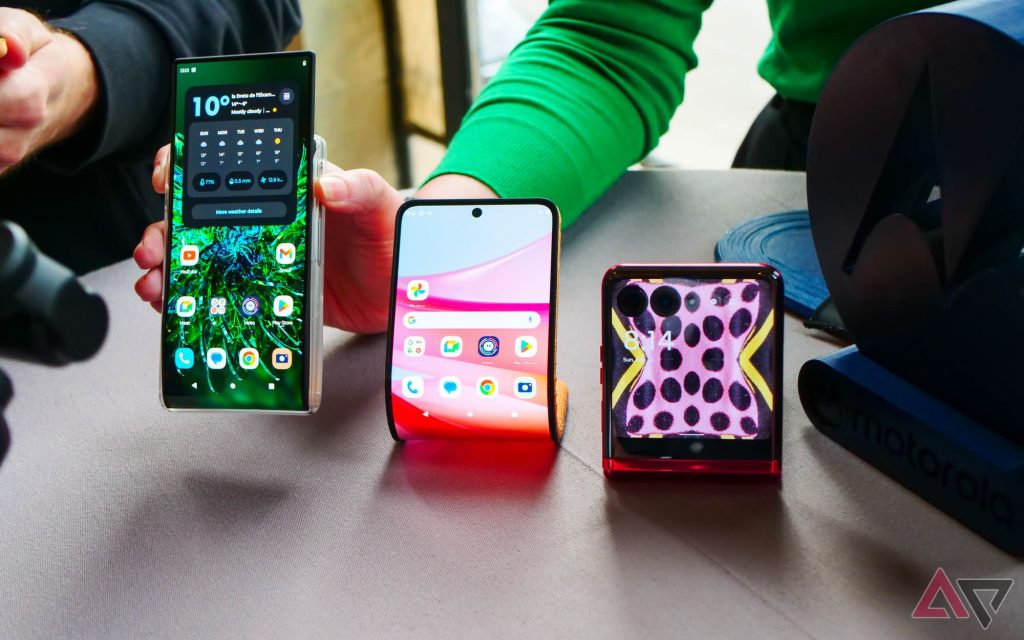
The smartphone industry has long thrived on innovation, constantly seeking new ways to deliver better user experiences, sleeker designs, and enhanced performance. For more than a decade, smartphones have largely followed a single design philosophy: a flat, rectangular slab with a touchscreen. However, the rise of foldable and rollable phones is redefining what the future of smartphones might look like.
These devices represent the next smartphone form factor, combining cutting-edge flexible display technology with advanced engineering to create phones that can fold, unfold, or roll out to transform into larger displays. Foldable and rollable phones promise to deliver the portability of a compact device with the functionality of a tablet, pushing the boundaries of what mobile devices can achieve.
This article explores the evolution of foldable and rollable phones, current innovations, future trends, challenges, and the impact of these devices on the smartphone industry and consumers worldwide.
Understanding Foldable and Rollable Phones
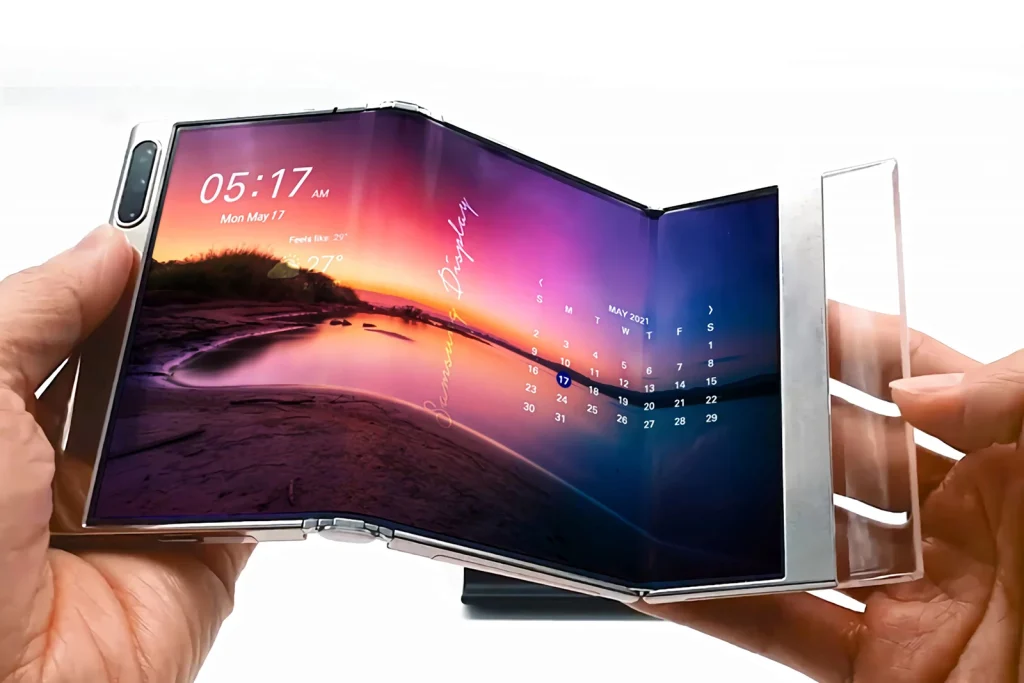
Foldable Phones and Their Impact on the Future
Foldable phones use flexible OLED displays that can bend without breaking. These devices typically fold inward or outward, allowing them to expand from a compact phone size into a larger, tablet-like screen. Popular examples include Samsung’s Galaxy Z Fold series and Huawei’s Mate X lineup.
Key benefits include:
- Larger screen real estate for multitasking and media consumption.
- Compact size for portability.
- Innovative user interfaces optimized for folding displays.
Rollable Phones and the Evolution of Foldable and Rollable Phones
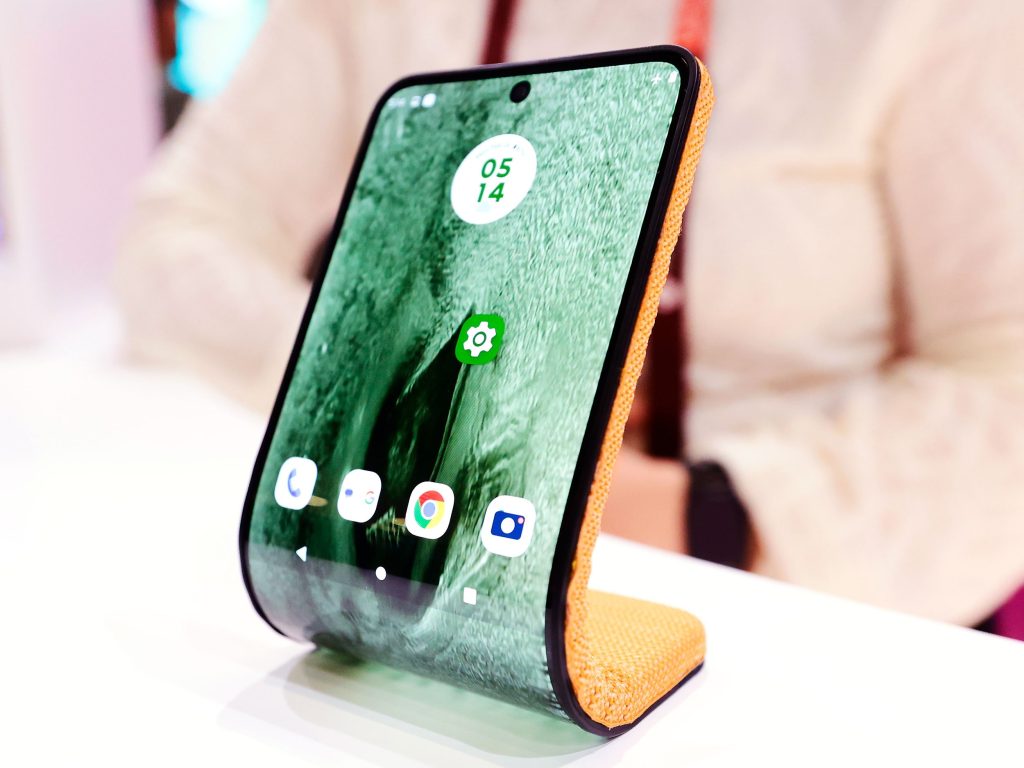
Rollable phones are a newer innovation, featuring screens that roll out or extend when needed. Instead of folding in half, rollable phones use motorized or manual mechanisms to expand the display, transforming from a standard smartphone size into a larger form factor.
Benefits include:
- Seamless expansion without visible creases.
- Adjustable screen sizes for different use cases.
- Sleek, futuristic designs.
Both foldable and rollable devices are built on the foundation of flexible phone technology, which leverages flexible OLED displays, durable hinge systems, and advanced materials to create devices capable of withstanding repeated bending and rolling.
The Evolution of Smartphone Form Factors and Foldable and Rollable Phones
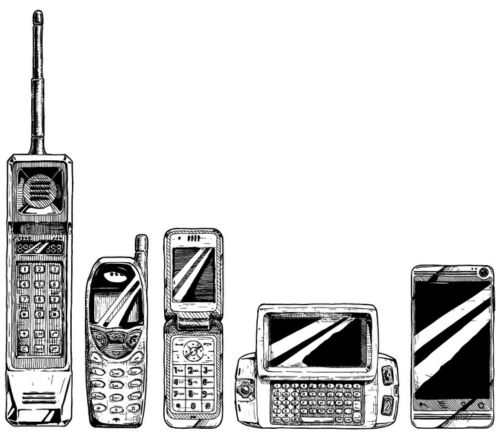
Early Experiments That Shaped Foldable and Rollable Phones
The idea of foldable phones dates back more than a decade. Early prototypes showcased flexible displays, but commercial products were not viable due to limitations in durability, cost, and production technology.
The Arrival of Foldables and Foldable and Rollable Phone Innovation
Samsung launched the first mass-market foldable phone, the Galaxy Fold, in 2019. Despite early issues with durability, this milestone proved that foldable technology was commercially viable. Since then, companies like Huawei, Oppo, and Motorola have released their own foldable devices.
The Rise of Rollables
Rollable phones are still in their early stages, with prototypes from companies like LG, Oppo, and TCL gaining attention. LG showcased a rollable phone prototype before exiting the smartphone market, while Oppo has teased its Oppo X rollable concept. Though rollables have yet to achieve mass production, they represent the next wave of flexible smartphone design.
Key Innovations Driving Foldable & Rollable Phones
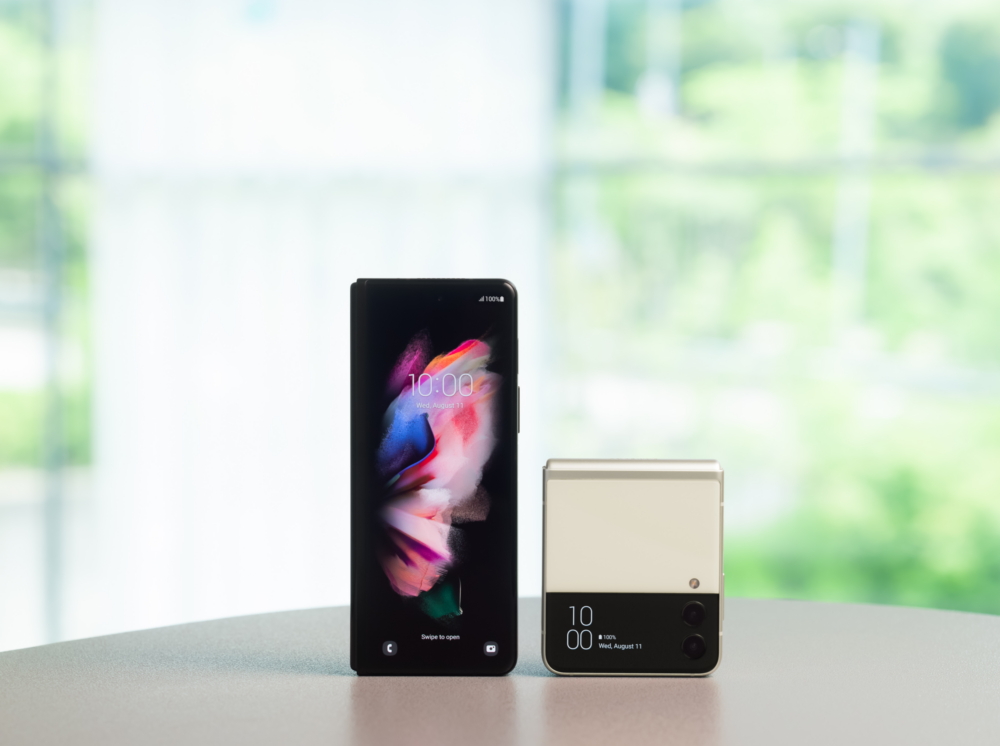
Flexible OLED Displays
The core innovation behind foldable and rollable phones is the flexible OLED display. Unlike traditional glass screens, flexible displays use plastic substrates that can bend or roll while maintaining image quality. Advances in materials science have made these displays more durable and resistant to damage.
Hinge Mechanisms
For foldable phones, hinge technology is critical. Manufacturers have developed intricate hinge systems that allow for smooth folding while minimizing stress on the display. Samsung’s Hideaway Hinge, for example, uses brushes to keep dust and debris out, improving longevity.
Ultra-Thin Glass
Recent foldable phones use ultra-thin glass (UTG), which combines flexibility with the durability of traditional glass. UTG provides a more premium feel, reduces scratches, and enhances display resilience.
Software Optimization
Hardware is only part of the equation. Foldable and rollable phones require software that adapts seamlessly to changing screen sizes. Features like multi-window multitasking, app continuity, and adaptive UI design ensure smooth user experiences.
Battery and Component Design
Flexible devices demand creative engineering solutions for batteries and internal components. Manufacturers design split batteries, flexible circuit boards, and repositioned components to fit within foldable or rollable chassis.
Foldable & Rollable Phones in Everyday Use
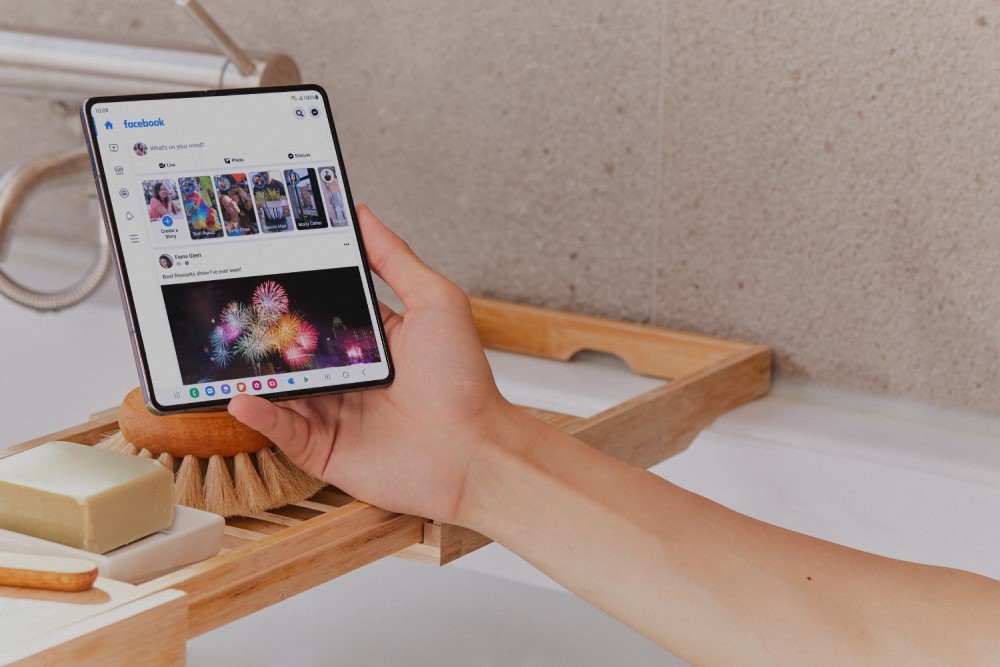
Productivity and Multitasking
Foldable phones excel at multitasking, allowing users to run multiple apps side by side on larger displays. Professionals benefit from enhanced productivity, using foldables as both a phone and a portable tablet.
Entertainment and Media
Rollable and foldable phones enhance entertainment experiences with immersive displays for video streaming, gaming, and reading. Larger, flexible screens provide tablet-like viewing without sacrificing portability.
Design and Aesthetics
These devices also appeal to consumers seeking cutting-edge, futuristic designs. Foldable and rollable phones stand out from traditional smartphones, signaling innovation and luxury.
Future Trends in Foldable & Rollable Phones
Wider Adoption and Lower Prices
As production scales and technology matures, the cost of foldable and rollable phones will decrease, making them accessible to a wider audience. Mid-range foldable devices are already emerging, suggesting mainstream adoption is on the horizon.
Improved Durability
Future devices will feature stronger hinges, more resilient displays, and advanced materials like next-generation ultra-thin glass. Durability improvements will address consumer concerns about longevity and reliability.
Hybrid Devices
The lines between smartphones, tablets, and laptops may blur further. Foldable and rollable technology could lead to hybrid devices that replace multiple gadgets, offering ultimate portability and versatility.
Rollables Becoming Mainstream
Rollable phones are expected to follow in the footsteps of foldables, evolving from prototypes to mass-market devices. With smoother form factors and adjustable screen sizes, rollables could become the preferred flexible phone technology.
Integration with 5G and AI
As 5G connectivity and AI-powered software evolve, foldable and rollable phones will deliver smarter, faster, and more adaptive user experiences. AI-driven interfaces will optimize apps and workflows based on screen configurations and user behavior.
Challenges and Considerations

High Costs
Foldable and rollable phones remain expensive due to complex engineering and limited production capacity. Reducing costs while maintaining quality is a key challenge for manufacturers.
Durability Concerns
Despite advances in flexible displays and hinge mechanisms, concerns remain about screen creases, hinge wear, and long-term reliability. Consumers expect devices to withstand years of daily use.
Battery Life
Larger, flexible displays consume more power, requiring innovations in battery technology to provide all-day usage without adding excessive weight or bulk.
Software Ecosystem
While progress has been made, not all apps are optimized for foldable and rollable displays. Developers must adapt applications to fully leverage flexible form factors, ensuring seamless user experiences.
Consumer Perception
Adoption depends on convincing consumers that foldable and rollable phones are not just gimmicks but practical, durable, and valuable devices. Marketing, education, and real-world performance will play critical roles in shaping perception.
Conclusion
Foldable and rollable phones represent the next smartphone form factor, pushing the boundaries of design, functionality, and user experience. By combining flexible OLED displays, advanced hinge systems, and adaptive software, these devices offer both innovation and practicality.
While challenges such as cost, durability, and app optimization remain, the future of flexible phone technology is bright. As prices decrease and technology matures, foldable and rollable devices are poised to move from niche luxury products to mainstream tools for productivity, entertainment, and communication.
In the coming years, foldable and rollable phones will not only redefine the smartphone market but also influence the broader landscape of consumer electronics. They are more than just a technological novelty—they are a glimpse into the future of mobile innovation, where flexibility, adaptability, and cutting-edge design set the standard for the devices we carry every day.
https://shorturl.fm/iQBdr
Какой минимальный срок контракта обычно предлагают при SEO продвижении под ключ? SEO продвижение под ключ
https://shorturl.fm/oDzyL
https://shorturl.fm/t6V1H
https://shorturl.fm/CtTno
https://shorturl.fm/HqwkR
Seo продвижение заказать с оплатой за позиции — это рабочая схема?
https://shorturl.fm/B10us
Чем продвижение сайта с оплатой за результат рискованно для исполнителя?
https://shorturl.fm/G18R2
Как продвижение сайта в топ 10 соотносится со сложностью запроса?
https://shorturl.fm/gBZnQ
Как выбрать пакет, когда решаешь заказать продвижение сайта: базовый или комплексный?
Топ seo продвижение — это только позиции или ещё и трафик, и конверсии?
https://shorturl.fm/8GrPP
Услуги seo продвижения для интернет-магазина — что обязательно, что опционально?
Как услуги seo продвижения различаются для B2B и B2C сегментов?
https://shorturl.fm/Zf1Cl
https://shorturl.fm/8TH93
https://shorturl.fm/akMOv
https://shorturl.fm/Qsy2R
Downloading the app was so easy and it runs perfectly on my old Samsung device. I appreciate how they keep adding local tournaments that actually make sense for us. Every spin feels fair and the rewards come through quickly. fb777betapp
Played a few rounds yesterday and the game load times are lightning fast. Love how they keep refreshing the promotions list. Feels like playing at a place that actually cares about its regulars. vnfcb8 has my vote
Tracking my cricket matches and placing bets during live matches has never been this seamless. The app handles high traffic during tournaments without crashing and the withdrawal requests process fast. It is my go to spot for sports betting now. pkbetpkr
I’ve tried a few platforms lately and this one is definitely smoother than the rest. The login process is quick and the games load fast. Highly recommend 42vipphlogin for anyone looking for a reliable spot.
I have tried many platforms but this one feels different. The variety of games is amazing and the support team is very helpful. Visit pkdk1947
Finally found a place that doesn’t lag during peak hours. The user experience is top notch. Big thanks to bdje7777 for the great service.
I love how simple it is to get back into my account every time. No complicated steps, just straightforward gaming. dbt88login makes things so much easier.
I really appreciate how transparent this platform is with their rules. No hidden catches, just pure gaming fun at kronwin.
Great selection of games and the account setup took less than two minutes. Really impressed with the overall quality of jilibet777loginregister.
This is exactly the guide I wanted.
I’ve been playing here for a few weeks now and the payouts are surprisingly fast. Definitely one of the most reliable platforms I’ve found recently. Check out ph77pinas for a great experience.
This place has everything you need in one spot. The registration was a breeze and I was playing within seconds. bdnog88 is the way to go!
The transaction speed here is impressive. I was worried about the deposits but everything went through in seconds. Very professional setup. Highly recommend vnokvipbank.