
AI-Powered Business Automation and Decision-Making
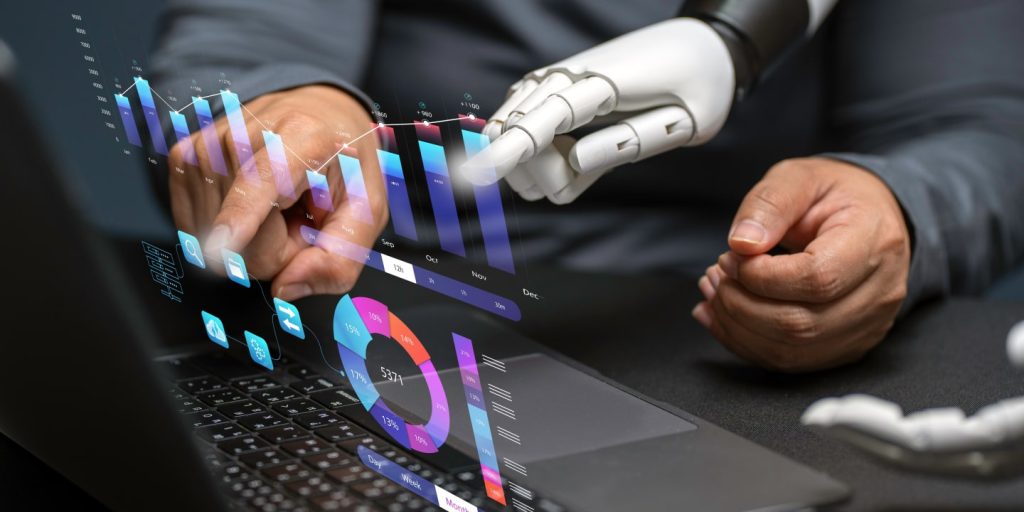
In today’s fast-changing digital economy, businesses are under constant pressure to move faster, work smarter, and adapt to disruption. Traditional methods of decision-making and process management are no longer enough to compete on a global scale. This is where AI-powered business automation enters the picture. By combining artificial intelligence with automation tools, companies are transforming how they operate—achieving greater efficiency, accuracy, and innovation.
The concept of AI decision-making goes far beyond simple process optimization. It empowers organizations to analyze massive data sets, identify patterns, predict outcomes, and make data-driven choices in real time. From streamlining supply chains to enhancing customer service and financial forecasting, business automation with AI is shaping the future of how organizations plan, act, and grow.
This article explores how AI is transforming business automation and decision-making, examining its evolution, applications, benefits, challenges, and the opportunities it unlocks for the future.
The Evolution of AI-Powered Business Automation
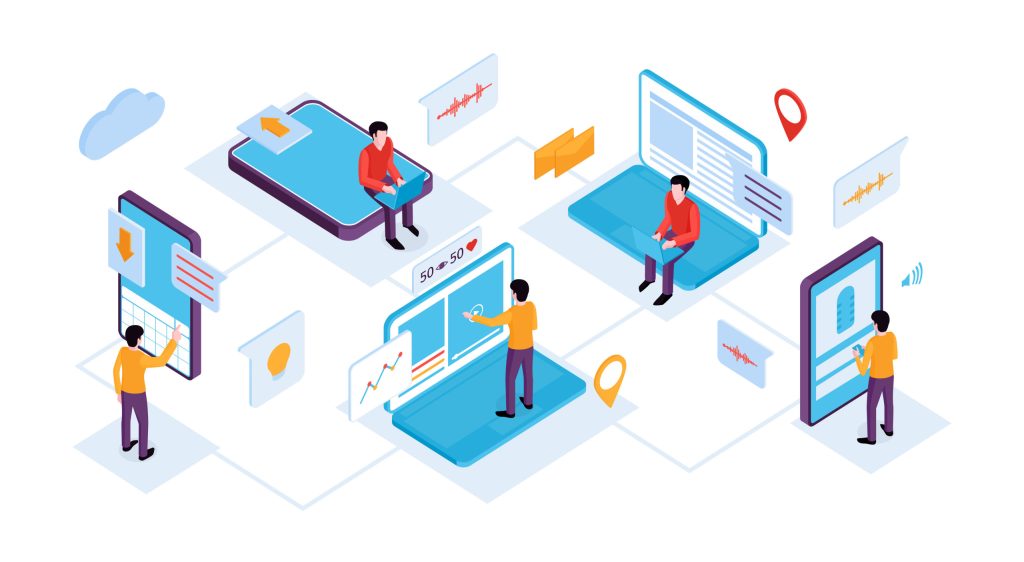
From Manual to Digital Workflows with AI-Powered Business Automation
Before AI, businesses relied on manual workflows, spreadsheets, and human judgment for critical processes. Over time, digital tools like ERP (Enterprise Resource Planning) and CRM (Customer Relationship Management) software brought structure to operations.
The Rise of AI-Powered Business Automation
The next phase introduced robotic process automation (RPA), which automated repetitive tasks like data entry, invoice processing, and scheduling. However, RPA lacked intelligence—it followed rules but could not adapt to new patterns.
The AI Revolution in Business Automation
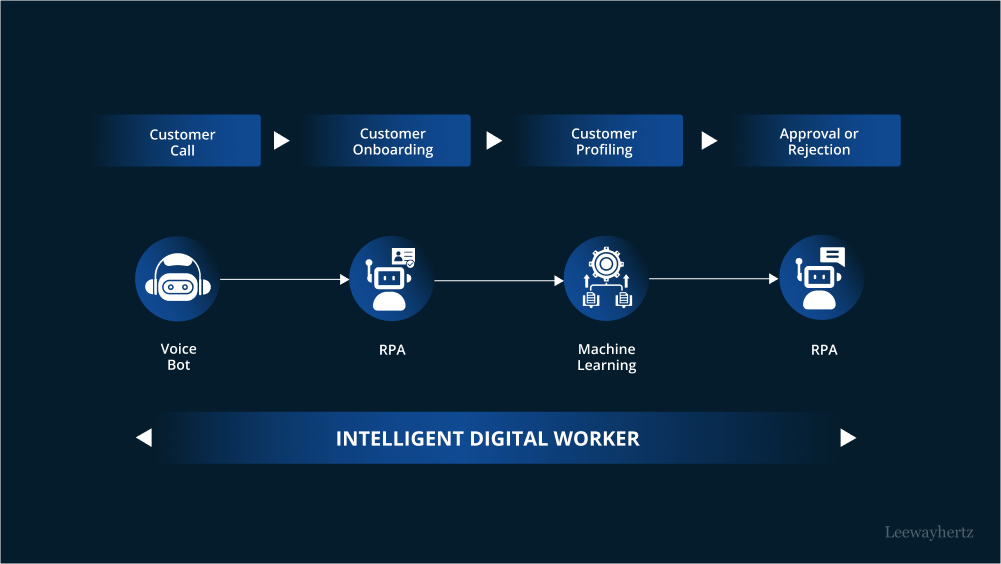
With the integration of artificial intelligence, automation evolved into intelligent automation. Unlike traditional automation, AI systems can learn, adapt, and make informed decisions. This transition marked the birth of AI-powered business automation—an ecosystem where tasks are not just automated but optimized through real-time intelligence.
Core Technologies Behind AI-Powered Automation
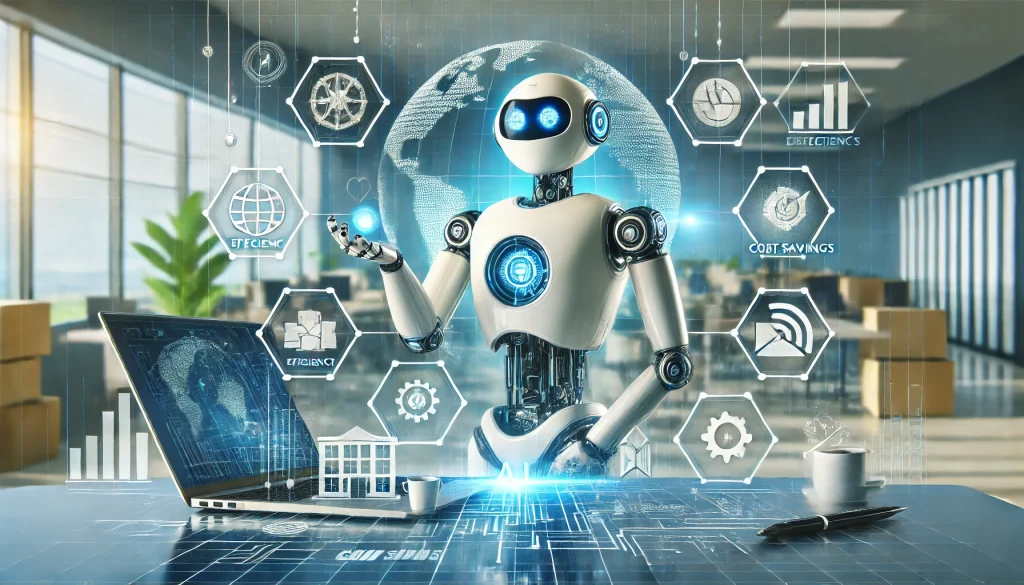
Machine Learning in AI-Powered Business Automation
Machine learning enables systems to learn from data and improve over time. In automation, ML predicts outcomes, identifies anomalies, and refines workflows.
NLP in AI-Powered Business Automation
NLP allows AI systems to understand and interact in human language. This drives chatbots, voice assistants, and AI customer support tools.
Predictive Analytics
Predictive analytics uses historical data to forecast future outcomes, empowering AI decision-making in areas like sales forecasting, risk management, and demand planning.
Robotic Process Automation (RPA) + AI
When combined with AI, RPA becomes “intelligent automation,” capable of adapting to new tasks rather than following rigid instructions.
Computer Vision
In industries like manufacturing and logistics, AI vision systems can identify defects, monitor safety, and optimize workflows in real time.
Applications of AI-Powered Business Automation
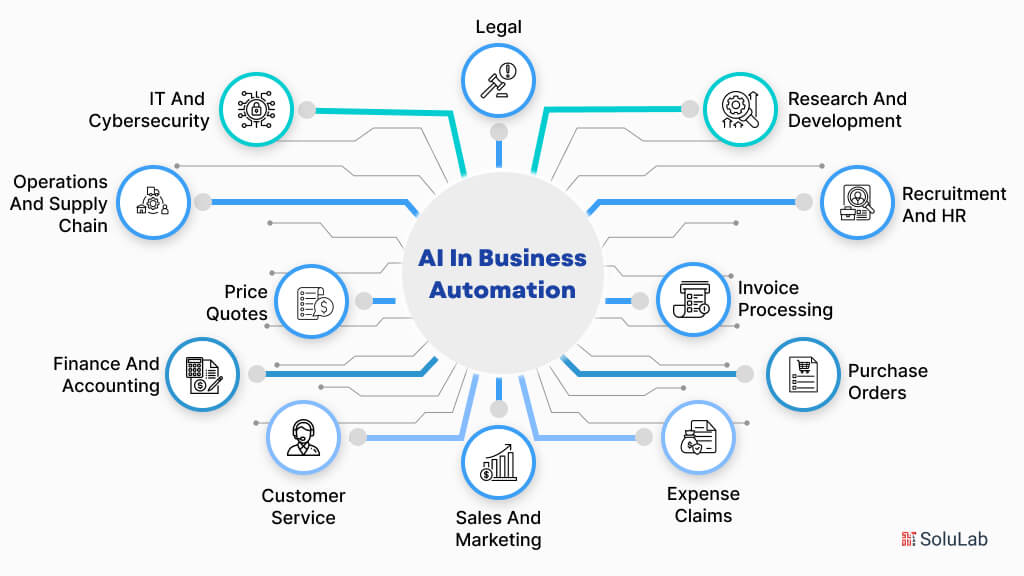
1. Customer Service
AI-powered chatbots and virtual assistants handle inquiries, resolve issues, and provide 24/7 support. With NLP, they can understand context, emotions, and intent, delivering a human-like experience.
2. Supply Chain Optimization
AI algorithms forecast demand, detect disruptions, and recommend alternative suppliers or routes, reducing costs and delays.
3. Human Resources
From screening resumes to employee performance tracking, AI streamlines HR operations and improves hiring accuracy.
4. Finance and Accounting
Automation in finance includes fraud detection, real-time auditing, and AI-based forecasting, minimizing human error and ensuring compliance.
5. Sales and Marketing
AI personalizes campaigns, analyzes customer behavior, and automates lead nurturing, enabling businesses to target audiences more effectively.
6. Manufacturing
AI-powered robotics enhance production lines by predicting maintenance needs, reducing downtime, and ensuring quality control.
7. Decision-Making Support
AI-driven dashboards present executives with insights, recommendations, and risk analysis, enabling smarter strategic decisions.
Benefits of AI-Powered Business Automation
- Efficiency Gains – Repetitive and time-consuming tasks are automated, freeing employees for creative and strategic work.
- Cost Reduction – Businesses reduce operational expenses by minimizing manual errors and optimizing workflows.
- Scalability – AI systems adapt to growth, handling larger volumes of data and processes seamlessly.
- Improved Decision-Making – AI leverages predictive analytics to guide leaders with evidence-based insights.
- Enhanced Customer Experience – Faster response times and personalized services boost customer satisfaction.
- Risk Management – AI detects fraud, anomalies, and risks before they escalate.
AI Decision-Making in Action
Real-Time Analytics
Businesses use AI to monitor KPIs and adjust strategies on the fly. For example, retailers can instantly optimize inventory based on sales data and consumer behavior.
Scenario Planning
AI models simulate different outcomes, helping leaders evaluate risks and make decisions with confidence.
Recommendation Engines
In e-commerce, AI analyzes user behavior to recommend products, increasing sales and customer engagement.
Autonomous Decision-Making
Advanced systems allow AI to act without human intervention—for example, automatically adjusting energy usage in smart factories or rerouting shipments in logistics.
Future Trends in AI-Powered Automation and Decision-Making
Hyper-Automation
The future will combine AI, RPA, machine learning, and IoT into a single ecosystem where nearly every business process is automated.
AI in Governance
Businesses will adopt AI to ensure compliance with regulations, monitor risks, and maintain transparency.
Collaborative AI-Human Workflows
AI will not replace humans but complement them, enabling faster and smarter decisions through collaboration.
AI for SMEs
As AI tools become more affordable, small and medium-sized enterprises will adopt AI-powered business automation, leveling the playing field with large corporations.
Integration with 5G and Edge Computing
Faster connectivity will allow AI to process data in real time, unlocking instant decision-making in industries like healthcare and finance.
Challenges of AI-Powered Business Automation

Ethical Concerns
- Job displacement due to automation.
- Bias in AI algorithms affecting decision fairness.
- Privacy issues with data collection and processing.
Technical Barriers
- High costs of AI implementation.
- Integration difficulties with legacy systems.
- Need for skilled talent to manage AI-driven workflows.
Business Risks
- Over-reliance on AI without human oversight.
- Cybersecurity vulnerabilities in automated systems.
- Inaccurate decisions if AI models are trained on poor-quality data.
Conclusion
The integration of AI-powered business automation and AI decision-making marks a turning point in the future of global commerce. Companies that embrace these technologies can achieve greater efficiency, improved accuracy, and smarter strategies that allow them to thrive in competitive markets.
While challenges exist—such as ethical concerns, technical limitations, and workforce adjustments—the benefits far outweigh the risks. By combining human creativity with AI intelligence, businesses can unlock a new era of innovation, adaptability, and growth.
The future of business is not just automated—it is intelligent, dynamic, and AI-driven. Organizations that harness business automation with AI will be best positioned to lead in the coming decade.