
Generative AI Beyond Text: Images, Video, and Code
Generative Artificial Intelligence (AI) has quickly become one of the most disruptive forces in technology. While much of the attention has been focused on AI text generation—through models capable of writing articles, essays, and stories—the true potential of generative AI extends far beyond words. The ability to create images, video, and even computer coderepresents the next frontier of this transformative technology.
The concept of generative AI beyond text is reshaping industries from entertainment and design to software development and education. AI image models can create photorealistic pictures from text prompts, AI video systems can generate animations and cinematic content, and AI code assistants can help developers write, debug, and optimize software at unprecedented speeds.
This article explores the evolution of generative AI, current innovations across media, real-world applications, future trends, challenges, and how these tools will impact society and industry in the years ahead.
The Evolution of Generative AI Beyond Text
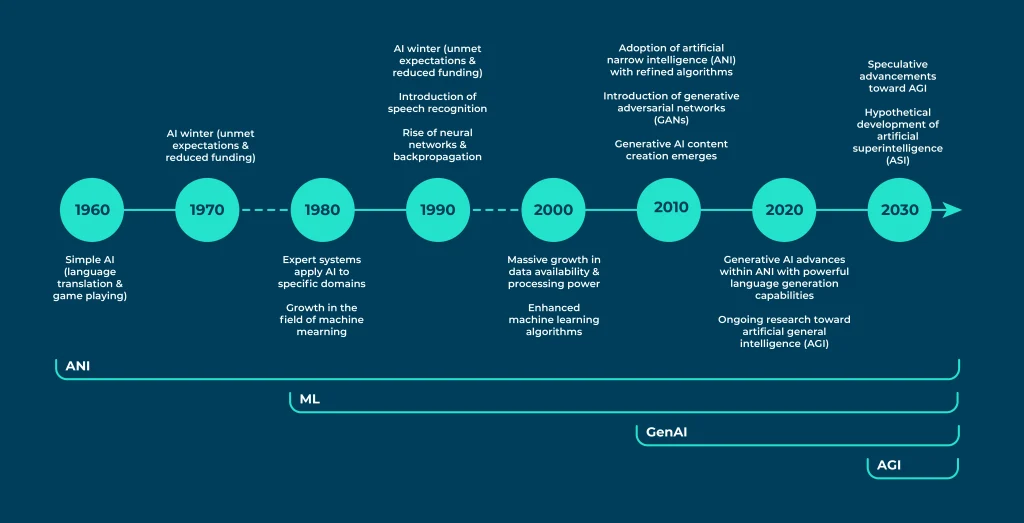
From Text to Multimodal Generative AI Beyond Text
The first wave of generative AI focused on text, with large language models (LLMs) capable of producing human-like writing. Soon after, AI expanded into multimodal systems—models that combine text, images, audio, and video for more complex generation.
Key Milestones in Generative AI Beyond Text
- AI Image Generation: Tools like DALL·E and Stable Diffusion brought text-to-image technology to the mainstream.
- AI Video Creation: Early prototypes like Runway Gen-2 and Pika Labs demonstrated the ability to generate short video clips.
- AI Code Generation: GitHub Copilot, powered by OpenAI’s Codex, showed how AI could assist developers in real time.
These milestones prove that generative AI applications are not limited to text—they are evolving into multi-sensory, multi-industry tools.
Generative AI Beyond Text in Image Creation
How Generative AI Beyond Text Creates Images
AI image generation uses deep learning models trained on massive datasets of images and text. These models learn to associate words with visual patterns, enabling them to create pictures from written prompts.
Applications of Generative AI Beyond Text in Images
- Art and Design: Artists use AI to explore new creative directions.
- Advertising: Brands generate custom visuals for campaigns.
- E-Commerce: AI produces product mockups and lifestyle imagery.
- Architecture: Designers use AI to create concept renderings.
Advantages
- Rapid creation of visuals without expensive equipment.
- Infinite creativity through prompt-based generation.
- Personalization of content for specific users or markets.
Generative AI Beyond Text in Video Production
Emerging Technology
AI video generation is still developing but holds immense potential. By combining image generation with temporal modeling, AI can create moving visuals from text or still images.
Applications
- Entertainment: Filmmakers generate storyboards, concept trailers, or even entire short films.
- Marketing: Companies create quick promotional videos without production crews.
- Education: Instructors develop animated learning materials.
- Gaming: Developers produce cutscenes and dynamic visual content.
Current Limitations
- Videos are often short and imperfect.
- Motion may appear unnatural.
- High computational power is required.
Despite these challenges, AI-generated video is improving rapidly, promising a future where anyone can become a filmmaker with just a prompt.
Generative AI Beyond Text in Code Generation
How AI Generates Code
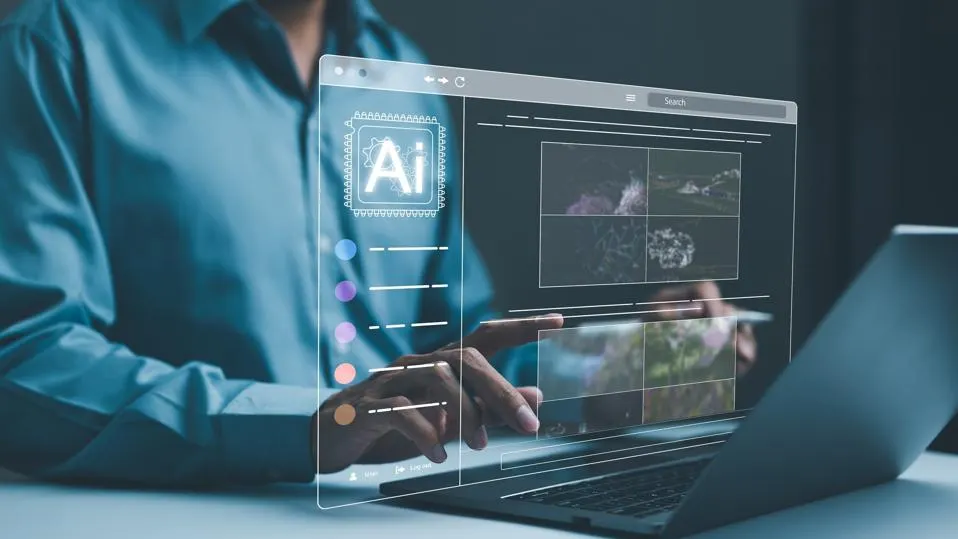
AI code assistants use LLMs trained on millions of code repositories. They predict and generate code snippets, debug errors, and even design entire applications.
Applications
- Software Development: Speeds up coding by suggesting functions.
- Debugging: Identifies errors and offers fixes.
- Learning: Helps beginners understand programming concepts.
- Automation: Builds scripts for repetitive tasks.
Popular Tools
- GitHub Copilot
- Amazon CodeWhisperer
- Replit Ghostwriter
Impact on Developers
AI code generation doesn’t replace programmers—it empowers them. Developers spend less time on repetitive tasks and more on solving complex problems, increasing productivity and creativity.
Real-World Impact of Generative AI Beyond Text
Media and Entertainment
AI is transforming creative industries by making visual and video content production more affordable and accessible. Independent creators can now compete with large studios.
Marketing and Advertising
Brands use AI image generation and AI video creation to craft targeted campaigns quickly, reducing costs while improving engagement.
Education
Teachers and institutions leverage AI to create personalized visual aids, interactive videos, and code tutorials, making learning more engaging.
Software Development
With AI code generation, companies speed up software releases, improve quality assurance, and reduce development costs.
Future Trends in Generative AI Beyond Text
Multimodal Integration
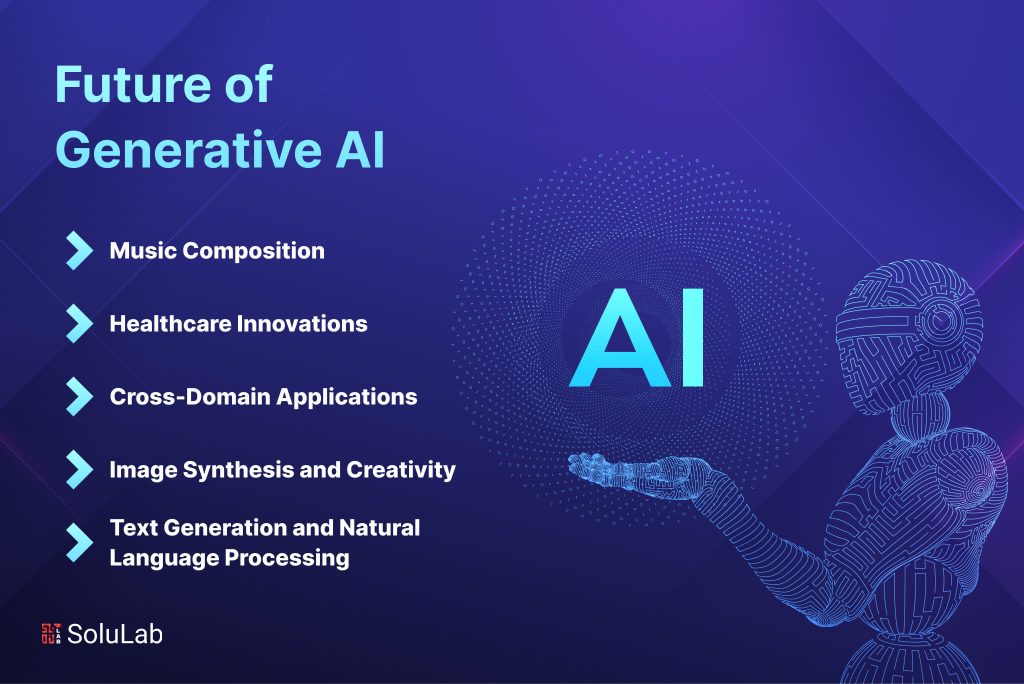
Future AI models will seamlessly combine text, images, video, and code generation, enabling truly immersive experiences.
AI in Augmented and Virtual Reality
Generative AI will power real-time content creation in AR/VR environments, enhancing gaming, simulations, and virtual collaboration.
Hyper-Personalization
Users will be able to create highly personalized content—custom avatars, virtual environments, and AI-generated tools tailored to their needs.
Democratization of Creativity
Generative AI lowers barriers to entry, allowing individuals without technical or artistic training to create professional-level content.
AI and 6G Networks
The arrival of 6G connectivity will enable faster real-time generative AI applications, including live video rendering and collaborative design across devices.
Challenges of Generative AI Beyond Text
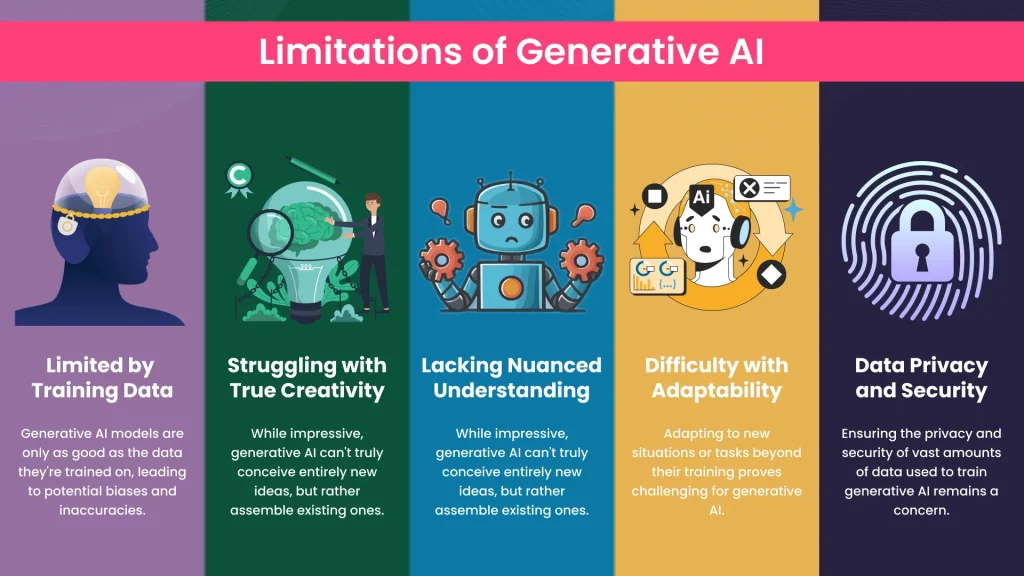
Ethical Concerns
- Deepfakes: AI-generated videos may be misused for misinformation.
- Copyright Issues: AI models often train on copyrighted data, raising legal debates.
- Bias and Fairness: Generated content may reflect biases present in training datasets.
Technical Challenges
- Video generation requires enormous computational resources.
- Maintaining quality, coherence, and realism is still a challenge.
- Code generation may introduce security vulnerabilities.
Societal Impact
- Job disruption in creative and coding industries.
- Over-reliance on AI tools may reduce human creativity.
- Need for regulation and transparency in AI development.
Conclusion
The expansion of generative AI beyond text into images, video, and code is reshaping the way we create, work, and interact with technology. From AI-generated art and film to AI-powered coding assistants, these tools are unlocking new levels of creativity, efficiency, and accessibility.
While challenges remain—ranging from ethical concerns to technical limitations—the trajectory of generative AI is clear: it will become an essential part of daily life, revolutionizing industries and empowering individuals.
In the near future, we can expect seamless multimodal AI systems capable of generating text, images, videos, and code simultaneously. This convergence of creativity and intelligence will mark a new era in human-computer collaboration.
Generative AI is no longer just about words—it’s about the future of creation itself.
https://shorturl.fm/1lDww
https://shorturl.fm/sOvVA