
Advances in Natural Language Processing (NLP)
Human language is one of the most complex forms of communication, filled with context, ambiguity, and cultural nuance. For decades, computers struggled to process natural language effectively. However, with rapid progress in Artificial Intelligence (AI), we are now witnessing groundbreaking advances in Natural Language Processing (NLP)—the field that enables machines to understand, interpret, and generate human language.
From early keyword-based systems to today’s massive AI-driven language models, NLP has evolved into a powerful technology that powers chatbots, translation tools, voice assistants, sentiment analysis engines, and more. This article explores the history, innovations, applications, and challenges of NLP, while highlighting the future directions that will shape how humans and machines communicate.
The Evolution and Early Advances in Natural Language Processing
Early Advances in Natural Language Processing: Rule-Based Systems
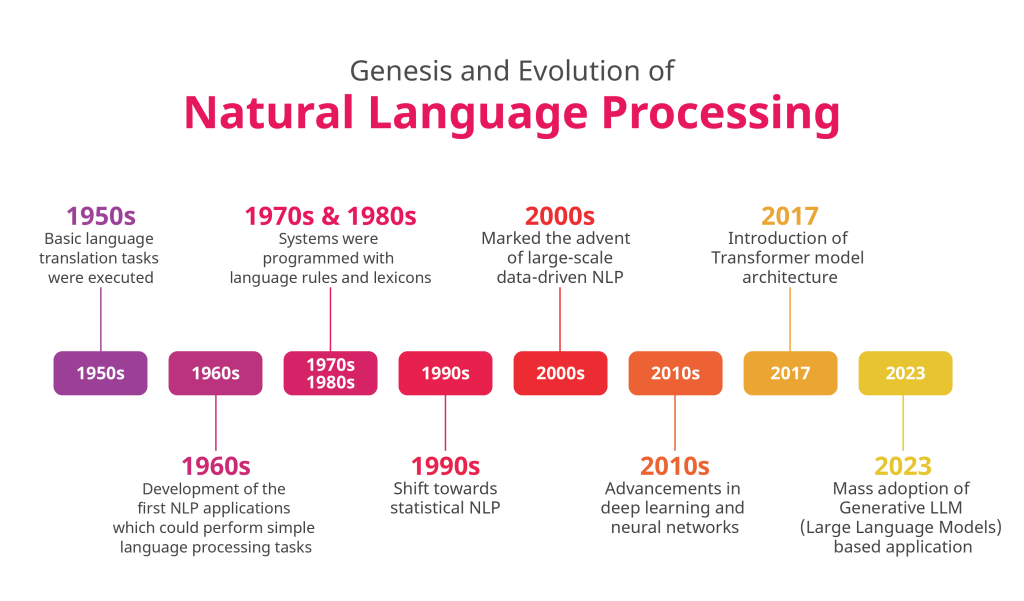
In the 1950s and 60s, the first NLP systems relied on hand-crafted grammar rules and simple keyword matching. While useful for basic tasks, these systems lacked flexibility and could not handle the complexities of natural speech.
Statistical Advances in Natural Language Processing
By the 1990s, NLP shifted toward statistical methods, using probability and large text corpora to improve translation and speech recognition. Systems became more adaptable but still limited in understanding deep context.
Deep Learning and Advances in Natural Language Processing
In the 2010s, breakthroughs in deep learning revolutionized NLP. Models like Word2Vec and GloVe enabled computers to represent words in vector space, capturing semantic meaning and relationships.
Large Language Models Driving Advances in Natural Language Processing
The 2020s introduced a new era with LLMs such as GPT, BERT, and T5. These models, trained on massive datasets, achieved human-like fluency in text generation, comprehension, and reasoning. This leap marked one of the most significant NLP innovations in history.
Key Advances in Natural Language Processing
1. Transformer Architectures
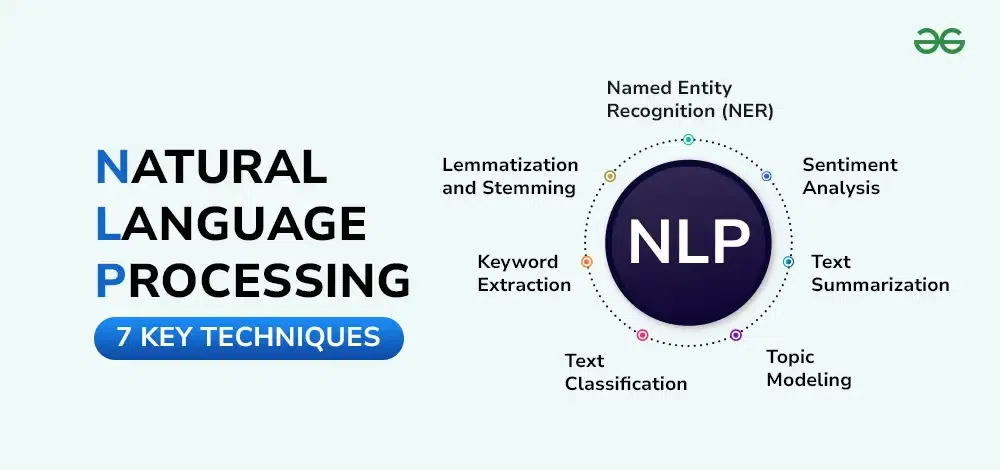
The introduction of the Transformer model architecture in 2017 changed NLP forever. Transformers process words in parallel and capture long-range dependencies, enabling models like BERT, GPT, and T5.
2. Pretrained Language Models
Instead of training models from scratch, researchers now use pretrained models fine-tuned for specific tasks, reducing costs and boosting performance.
3. Contextual Word Embeddings
Unlike static embeddings, contextual models understand how word meaning changes depending on context—for example, the word bank meaning “financial institution” versus “riverbank.”
4. Zero-Shot and Few-Shot Learning
Modern NLP systems can perform tasks with little or no task-specific training, thanks to generalization capabilities.
5. Multilingual NLP
Advances now enable AI to process dozens of languages simultaneously, driving cross-border communication and global applications.
6. Conversational AI
Chatbots and virtual assistants like Siri, Alexa, and ChatGPT use cutting-edge NLP to engage in dynamic, context-aware conversations.
Applications of Natural Language Processing
Customer Support
AI chatbots powered by NLP provide 24/7 customer service, resolving issues and guiding users without human intervention.
Machine Translation
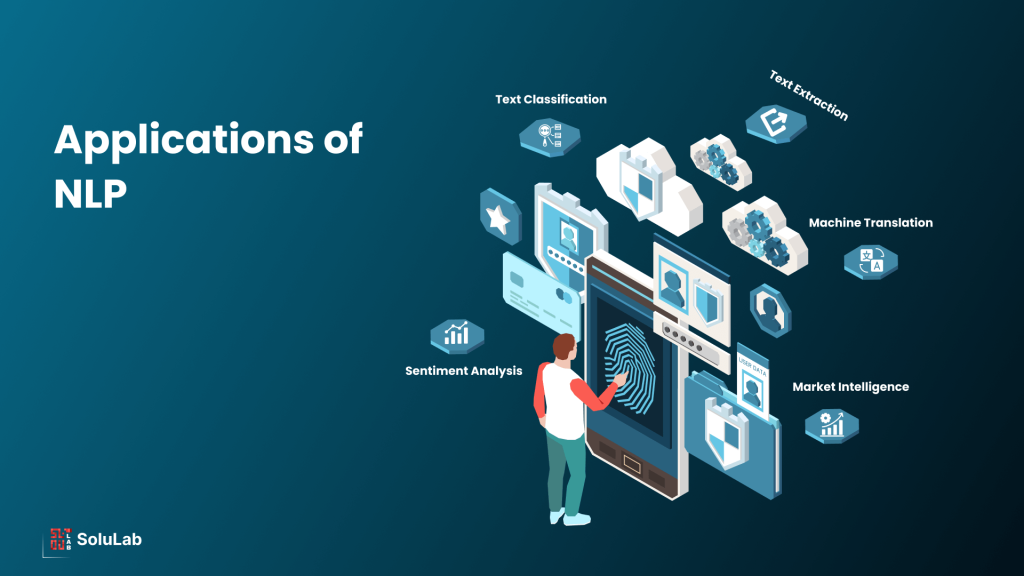
Services like Google Translate have advanced with neural networks, offering more fluent and accurate translations across languages.
Sentiment Analysis
NLP tools analyze customer reviews, social media posts, and surveys to determine opinions and emotions.
Healthcare
Doctors use NLP to process patient records, extract critical information, and even assist in diagnosing diseases.
Finance
Banks employ NLP for fraud detection, risk analysis, and customer interaction.
Education
Intelligent tutoring systems personalize learning through language understanding and adaptive feedback.
Benefits of NLP Innovations
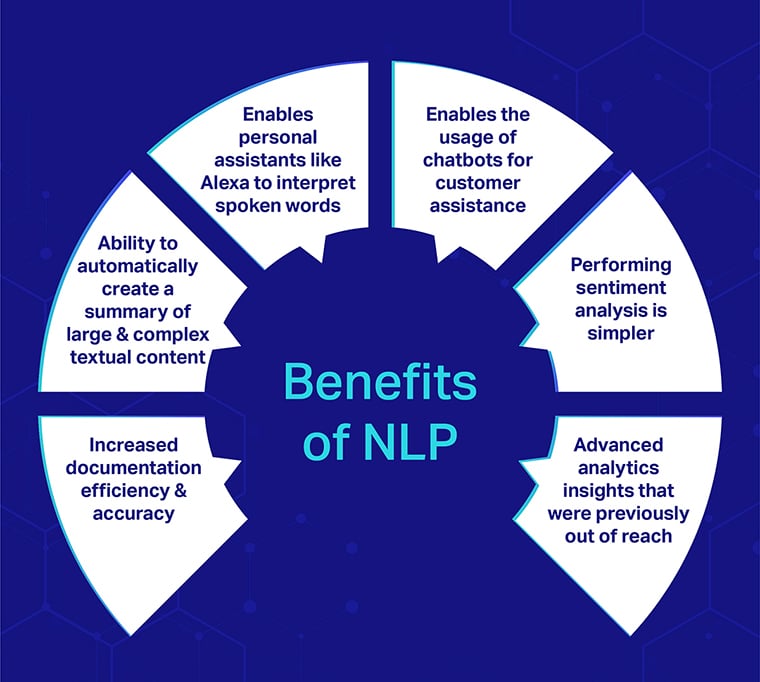
- Improved Human-Machine Interaction – Conversational AI feels more natural and intuitive.
- Global Communication – Multilingual NLP bridges language barriers.
- Data Insights – Organizations extract meaning from unstructured text data.
- Efficiency Gains – Automation of repetitive tasks saves time and resources.
- Accessibility – Speech-to-text and text-to-speech technologies empower individuals with disabilities.
Challenges in Advances in Natural Language Processing
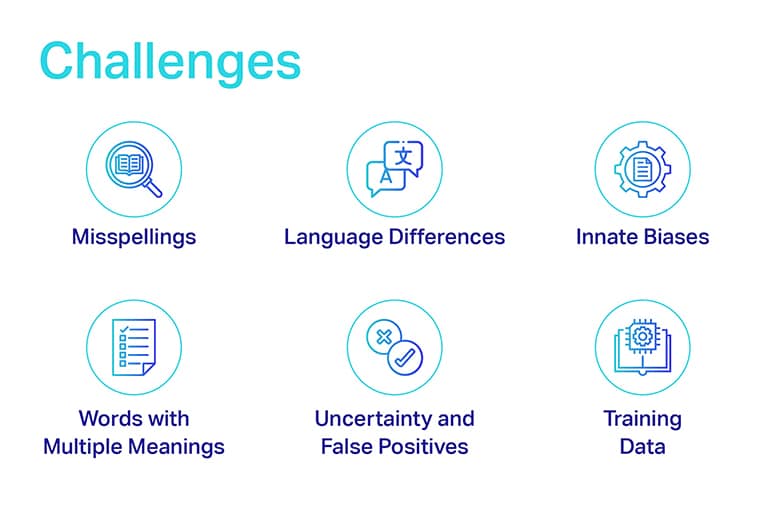
Bias and Fairness
Models often reflect societal biases present in training data, leading to discriminatory outputs.
Explainability Challenges in Advances in Natural Language Processing
Many NLP systems are “black boxes,” making it difficult to understand why they generate specific responses.
Resource Demands
Training large NLP models requires enormous computational power and energy.
Multilingual Limitations
While progress is significant, low-resource languages remain underserved.
Context and Common Sense
Despite advances, AI still struggles with deep reasoning, sarcasm, and cultural context.
The Future of Advances in Natural Language Processing
Multimodal NLP
Future systems will integrate text, images, video, and audio for richer understanding and generation.
Real-Time Translation
Instant, highly accurate translation across any language will become mainstream.
Personalized NLP
AI assistants will adapt to individual users’ communication styles, preferences, and cultural nuances.
Ethical NLP
Greater focus will be placed on responsible AI to reduce bias, ensure transparency, and protect privacy.
Quantum NLP
With the rise of quantum computing, NLP models may achieve unprecedented speed and accuracy in handling massive linguistic datasets.
Conclusion
The rapid progress in Natural Language Processing has brought us from simple keyword systems to advanced AI models capable of human-like dialogue, reasoning, and creativity. These advances in Natural Language Processing are transforming industries, bridging global communication gaps, and enabling a new era of human-AI collaboration.
However, with these innovations come challenges in bias, fairness, and resource sustainability. The future of NLP lies in balancing technological power with ethical responsibility, ensuring AI language systems are inclusive, transparent, and beneficial for all.
One thing is clear: NLP is no longer a background technology—it is at the forefront of shaping how humans and machines understand one another, driving the next wave of digital transformation.