
GPU Innovations in Gaming: Powering the Future
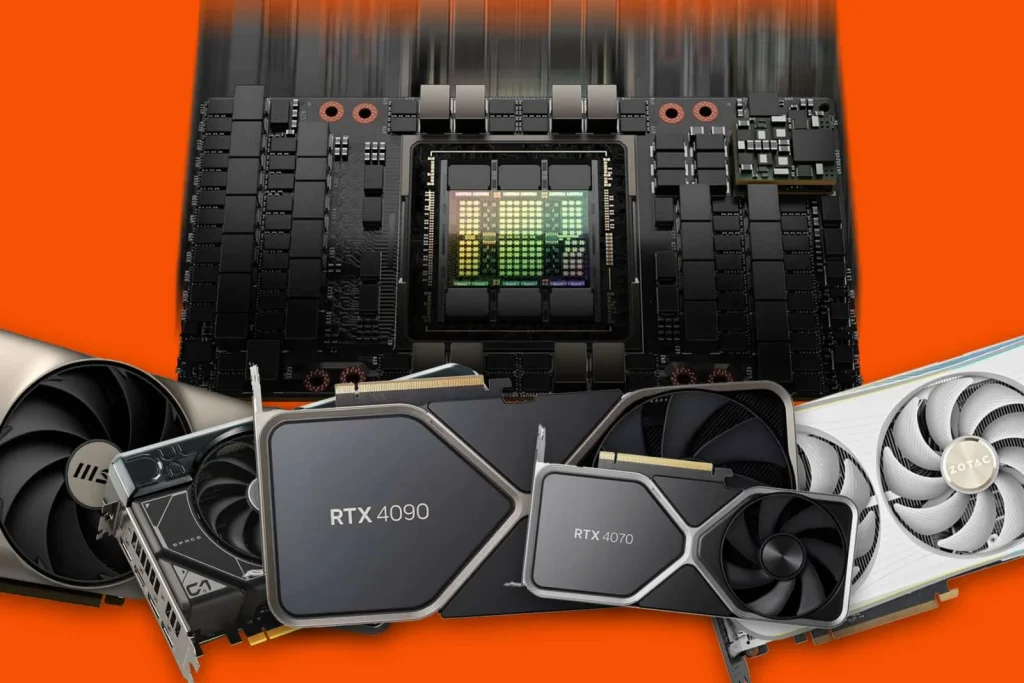
The gaming industry has changed drastically over the past few decades. Hardware advancements have driven this transformation.
At the center of it are GPU innovations in gaming, reshaping visuals, performance, and player experiences.
GPUs have evolved from simple renderers into powerful processors for real-time ray tracing and AI-driven effects.
They now power immersive virtual reality and lifelike graphics.
Modern gamers expect ultra-realistic visuals, high frame rates, and smooth gameplay.
Developers use GPU innovations in gaming to create richer worlds and deeper stories.
GPUs are no longer just hardware parts — they are the engines of future interactive entertainment.
The Early Evolution of GPU Innovations in Gaming
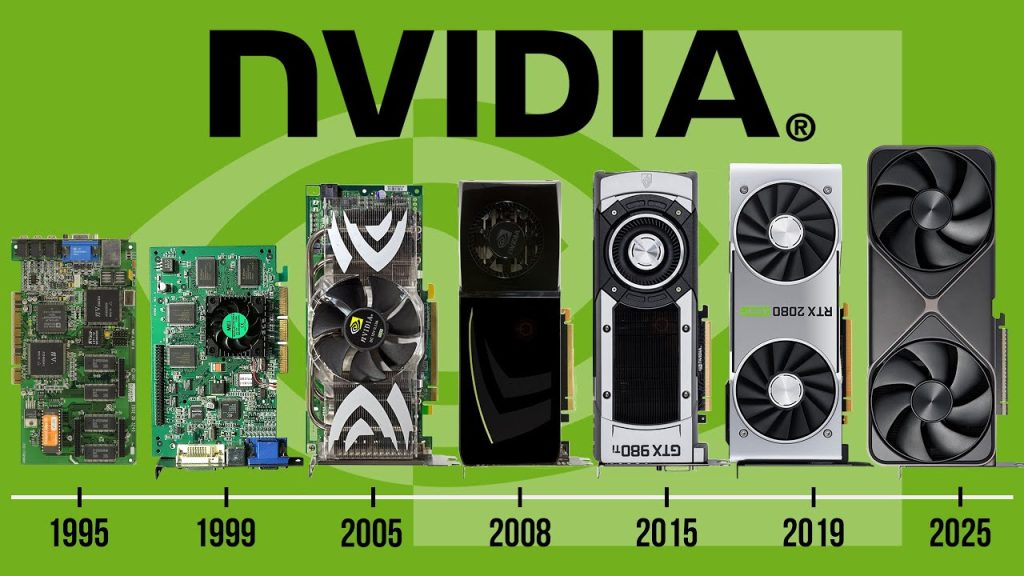
The history of GPUs is a journey from basic graphical accelerators to powerful, multi-core processors. Early GPUs, designed primarily for 2D graphics rendering, were limited in capability. They could handle simple textures, color fills, and basic shading, which suited the gaming landscape of the late 1990s and early 2000s.
As 3D gaming emerged, the need for more powerful GPUs became clear. Fixed-function pipelines were introduced to handle vertex transformations and rasterization, but they were limited in flexibility. Developers sought greater control over graphical effects, leading to the creation of programmable shaders.
Programmable shaders gave developers new control over vertices and pixels. They enabled dynamic lighting, detailed shadows, and realistic water effects.
This was the first major step in the evolution of GPU innovations in gaming. It changed the visual language of games and opened the door to future breakthroughs.
GPU Innovations in Gaming: Real-Time Ray Tracing and Photorealism

One of the most transformative GPU innovations in gaming is real-time ray tracing. Ray tracing is a rendering technique that simulates the way light interacts with objects, producing photorealistic images that account for reflections, refractions, and shadows. Initially, ray tracing was computationally expensive, limiting its use to pre-rendered CGI in movies and cutscenes.
The introduction of GPUs with dedicated ray tracing cores changed this landscape. NVIDIA’s RTX series, for example, includes RT Cores designed specifically for ray-traced rendering. This allows developers to implement real-time reflections, global illumination, and complex lighting effects in gameplay. Games such as Cyberpunk 2077, Control, and Minecraft RTX demonstrate how ray tracing elevates immersion, turning virtual worlds into visually stunning experiences.
The adoption of ray tracing has not only enhanced visuals but also influenced game design. Developers can now experiment with realistic lighting to affect mood, guide player attention, and create new gameplay mechanics based on light interactions. As GPUs continue to evolve, ray tracing will become more efficient, allowing even more complex scenes without sacrificing performance.
AI-Powered Rendering: GPU Innovations in Gaming

Artificial Intelligence (AI) has become a critical element in modern GPU development. Techniques such as Deep Learning Super Sampling (DLSS) allow GPUs to render games at lower resolutions and upscale them using AI algorithms, delivering high-quality visuals while maintaining smooth frame rates.
DLSS has evolved through multiple iterations, with DLSS 2.0 and DLSS 3.0 introducing temporal reconstruction, multi-frame generation, and improved image quality. The latest iteration, DLSS 4, combines AI upscaling with ray reconstruction, enabling 4K gameplay at higher frame rates without overloading GPU resources.
Beyond upscaling, AI is applied in dynamic anti-aliasing, noise reduction, and procedural content generation. AI-enhanced rendering allows developers to create expansive, detailed worlds without the traditional performance penalties. Additionally, AI algorithms improve non-playable character (NPC) behavior, enabling more realistic and adaptive gameplay.
By integrating AI into GPU architectures, manufacturers ensure that gaming technology continues to meet the demands of both developers and players, offering realistic visuals, smoother gameplay, and more interactive worlds.
GPU Innovations in Virtual Reality and Augmented Reality

Virtual Reality (VR) and Augmented Reality (AR) represent the next frontier for gaming experiences. GPUs are central to delivering the high frame rates and low latency required for immersive VR and AR experiences. Motion-to-photon latency, the time it takes for a user’s movement to be reflected in the VR display, must be minimal to prevent motion sickness.
GPU innovations in gaming now include optimized architectures for VR rendering, capable of handling dual displays at high resolutions while maintaining consistent frame rates. Advanced shading techniques, realistic lighting, and AI-driven rendering further enhance immersion.
AR, on the other hand, overlays digital objects onto the real world. GPUs process complex tracking, mapping, and rendering tasks in real-time, enabling games that interact seamlessly with physical environments. Innovations in AR GPUs have allowed mobile devices and standalone AR headsets to deliver experiences that were once possible only on high-end PCs.
The Rise of Cloud Gaming and GPU Virtualization

Cloud gaming is transforming the way games are delivered and played. Platforms such as NVIDIA GeForce NOW, Microsoft Xbox Cloud Gaming, and Google Stadia allow gamers to stream high-fidelity games to devices that would not otherwise be capable of running them.
GPU virtualization is key to cloud gaming. This technology allows multiple users to share the resources of a single high-performance GPU, providing scalable, cost-effective access to powerful graphics processing. Cloud GPUs can handle real-time ray tracing, AI-enhanced rendering, and high-resolution textures, all while streaming content to a variety of devices.
Cloud gaming reduces the dependency on local hardware upgrades, allowing a broader audience to access cutting-edge graphics. As network infrastructure improves, particularly with the expansion of 5G and fiber-optic networks, cloud gaming will play an increasingly central role in the future of gaming.
Energy Efficiency and Sustainable GPU Design
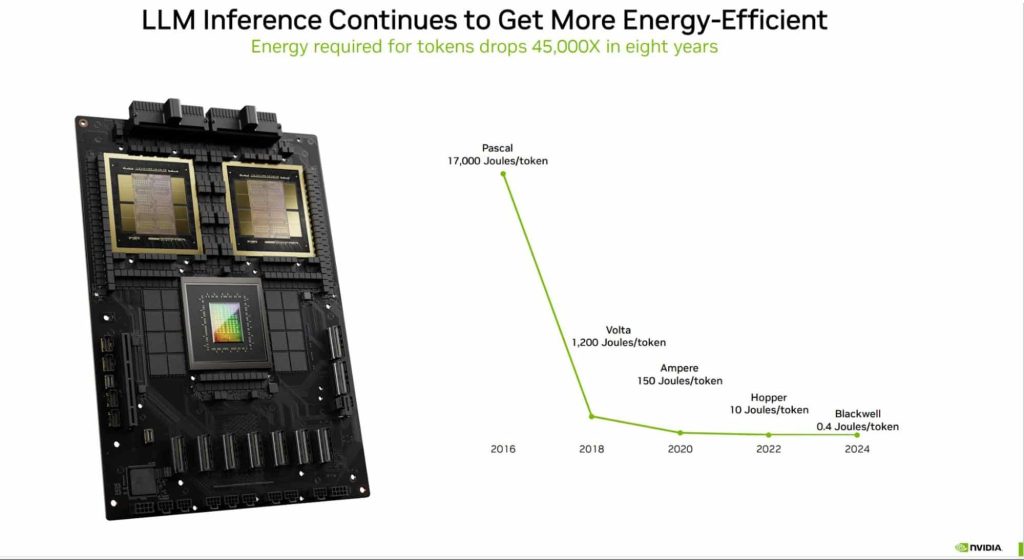
As GPUs become more powerful, energy consumption and thermal management have become critical considerations. Advanced GPU architectures now prioritize energy efficiency without compromising performance. Techniques such as dynamic voltage scaling, improved cooling solutions, and optimized transistor design reduce power draw and heat generation.
Sustainable GPU design also involves using environmentally friendly materials and improving manufacturing processes. As gaming technology becomes more widespread, sustainability will be an essential factor in the development of future GPU innovations. Players can expect high-performance GPUs that deliver exceptional gaming experiences while minimizing their environmental footprint.
Challenges Facing GPU Innovation

While GPU innovations offer immense benefits, there are challenges that both developers and consumers must consider.
Cost and Accessibility
High-end GPUs often come with premium price tags, making them inaccessible to many gamers. Balancing performance improvements with affordability is crucial to ensure that GPU innovations in gaming benefit a wide range of players.
Software Optimization
Advanced GPU features require software that can fully utilize their capabilities. Developers must optimize games for ray tracing, AI-driven rendering, and high-resolution textures to ensure players experience the full potential of modern GPUs.
Ethical Considerations
The integration of AI in gaming raises ethical questions. Procedural content generation, adaptive NPC behavior, and AI-driven storytelling must be designed responsibly to avoid unintended biases and ensure fair gameplay.
The Future of GPU Technology

The future of GPUs in gaming is incredibly promising. Emerging trends include:
- AI-Optimized GPU Architectures: Future GPUs will feature cores specifically designed for AI workloads, improving both rendering efficiency and in-game AI behavior.
- Quantum Computing Integration: While still experimental, quantum computing could one day enhance GPU performance, enabling complex simulations and expansive, dynamic game worlds.
- Cloud and Edge Computing: GPUs will increasingly be used in cloud and edge computing scenarios, providing high-quality graphics to low-end devices and mobile platforms.
- Enhanced VR/AR Experiences: Continued GPU innovation will push the boundaries of immersive gameplay, creating experiences that feel indistinguishable from reality.
- Energy-Efficient Designs: Sustainability will remain a priority, with future GPUs balancing performance with power efficiency.
Conclusion
GPU innovations in gaming have transformed the industry, enabling developers to create visually stunning, immersive, and interactive experiences. From the early days of programmable shaders to real-time ray tracing, AI-driven rendering, and cloud gaming, GPUs continue to shape the future of gaming.
As technology advances, players can expect increasingly lifelike worlds, intelligent NPCs, and seamless experiences across multiple platforms. Developers and manufacturers must continue to innovate while addressing challenges such as cost, software optimization, and sustainability.
Ultimately, the future of gaming is inseparable from GPU advancements. These technologies will define how games are created, played, and experienced, ensuring that the next generation of games is more immersive, dynamic, and engaging than ever before.