
Next-Gen CPUs: Performance and Efficiency
The Next Frontier of CPU Technology
The central processing unit (CPU) has always been the beating heart of computing. In 2026, next-gen CPUs are more than just faster processors; they represent a complete rethinking of how performance, efficiency, and intelligence are balanced inside a single chip. As demand for high-performance computing, artificial intelligence (AI), and energy efficiency increases, CPUs have evolved beyond raw clock speeds and single-thread power. Instead, they now rely on advanced architectures, modular chiplet designs, and AI-enhanced capabilities to meet the diverse requirements of modern users.
Whether you are a gamer looking for the best CPUs 2026, a business professional seeking energy-efficient CPUs for data centers, or a tech enthusiast curious about processor trends 2025, the new generation of CPUs is delivering groundbreaking innovations. Companies like Intel, AMD, Apple, and ARM-based designers are leading this transformation, with each generation pushing boundaries in both performance-per-watt and scalability.
In this long-form article, we will explore how next-gen CPUs in 2026 achieve superior performance and efficiency, highlight key innovations, compare leading processors, and predict the future of computing beyond 2026.
The Driving Forces Behind Next-Gen CPUs
Shrinking Process Nodes: The 2nm Revolution
The CPU industry has always followed Moore’s Law, but by 2026, the race to shrink transistor sizes has become more complex. Fabrication giants like TSMC, Samsung, and Intel are now mass-producing processors based on the 2nm process node. This advancement means:
Higher transistor density – billions more transistors packed into a smaller space.
Lower power consumption – reducing energy costs and extending battery life in mobile devices.
Improved heat management – less thermal output per operation.
Enhanced CPU performance – higher instructions-per-cycle (IPC).
For gamers, this translates into smoother gameplay with higher frame rates. For enterprises, it means running AI workloads more efficiently with less heat and power draw.
Chiplet and Modular Architectures
Traditional monolithic CPU designs are fading. Instead, chiplet architectures dominate the best CPUs 2026, pioneered by AMD’s Ryzen and EPYC series and now adopted by Intel’s Meteor Lake and Arrow Lake families. With modular chiplets:
CPUs can scale more easily to higher core counts.
Manufacturers improve production yields, reducing costs.
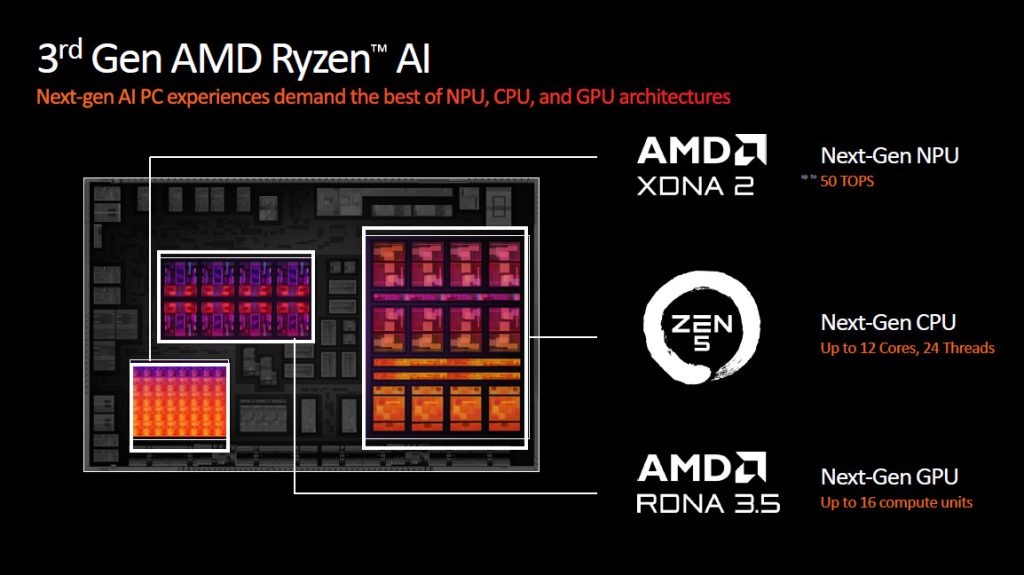
Different functions (CPU, GPU, AI accelerators) can be integrated into a single package.
This modularity ensures CPUs are both high-performance and efficient, allowing companies to customize chips for gaming, AI, or professional workloads.
AI and Specialized Instruction Sets
AI has transformed computing, and CPUs in 2026 reflect this reality. Next-gen CPUs 2026 integrate specialized AI instruction sets and neural processing units (NPUs). This provides:
Faster machine learning inference directly on CPUs.
Improved data processing for cloud and enterprise.
Enhanced user experiences in tasks like voice recognition and real-time translation.
Instead of relying solely on GPUs for AI, CPUs now share the workload, creating a hybrid computing environment that is both powerful and efficient.
Performance: What Next-Gen CPUs Deliver
Multi-Core and Thread Scaling
The days when CPUs had just 4 or 8 cores are long gone. By 2026, mainstream desktop CPUs exceed 32 cores and 64 threads, while high-end server CPUs can surpass 128 cores. This massive scaling allows:
Better multitasking – running multiple heavy applications simultaneously.
Improved gaming performance – optimizing background tasks without affecting frame rates.
Faster rendering in video editing, 3D modeling, and simulation workloads.
Clock Speeds and Thermal Design
While raw clock speeds plateau around 5–6GHz, efficiency improvements allow CPUs to sustain these speeds across multiple cores without overheating. Thermal Design Power (TDP) management, liquid cooling solutions, and advanced heat spreaders ensure performance remains stable even under maximum load.
Benchmark Performance in 2026
Gaming CPUs 2026 deliver 30–40% higher performance compared to 2023, thanks to enhanced single-thread performance.
Content creators benefit from drastically shorter rendering times in tools like Adobe Premiere, Blender, and DaVinci Resolve.
AI workloads run significantly faster due to AI-optimized cores, reducing dependency on discrete GPUs.
Efficiency: How CPUs Are Becoming Greener and Smarter

Energy Efficiency as a Priority
Energy costs and environmental concerns have pushed manufacturers to design energy-efficient CPUs. Next-gen processors now deliver up to 2x better performance-per-watt compared to 2020 models. This helps:
Data centers cut power bills.
Laptop users enjoy longer battery life.
Enterprises meet sustainability goals.
Advanced Power Management
Features like dynamic voltage scaling and intelligent core scheduling ensure CPUs use only as much power as needed. For example, a laptop may rely on efficiency cores during light browsing and switch to high-performance cores when rendering a video.
Eco-Friendly Materials and Manufacturing
Beyond efficiency, manufacturers are focusing on eco-friendly materials and sustainable manufacturing processes. Intel, AMD, and Apple have pledged carbon-neutral production by the late 2020s, making CPU production itself more sustainable.
Comparing Leading Next-Gen CPUs
Intel CPUs 2025
Intel’s Arrow Lake and Lunar Lake CPUs push the boundaries with hybrid architectures combining Performance-cores (P-cores) and Efficiency-cores (E-cores). Intel also integrates AI accelerators directly, positioning itself strongly in the AI PC market.
AMD CPUs 2025
AMD continues to lead with its Zen 5 and Zen 6 architectures. Their EPYC processors dominate data centers with hundreds of cores, while Ryzen CPUs are favorites among gamers and content creators. AMD’s chiplet strategy remains one of the most efficient approaches to high-core scalability.
Apple Silicon 2026
Apple’s M5 chips bring industry-leading performance-per-watt, thanks to ARM-based architecture. Their CPUs integrate GPU and NPU functionality, making MacBooks some of the most efficient laptops in 2026.
ARM and Other Innovations
ARM-based CPUs dominate in mobile devices and are entering servers and desktops. Companies like Qualcomm and NVIDIA are leveraging ARM for AI-first processors, offering efficiency unmatched by traditional x86 designs.
CPUs and Gaming in 2026
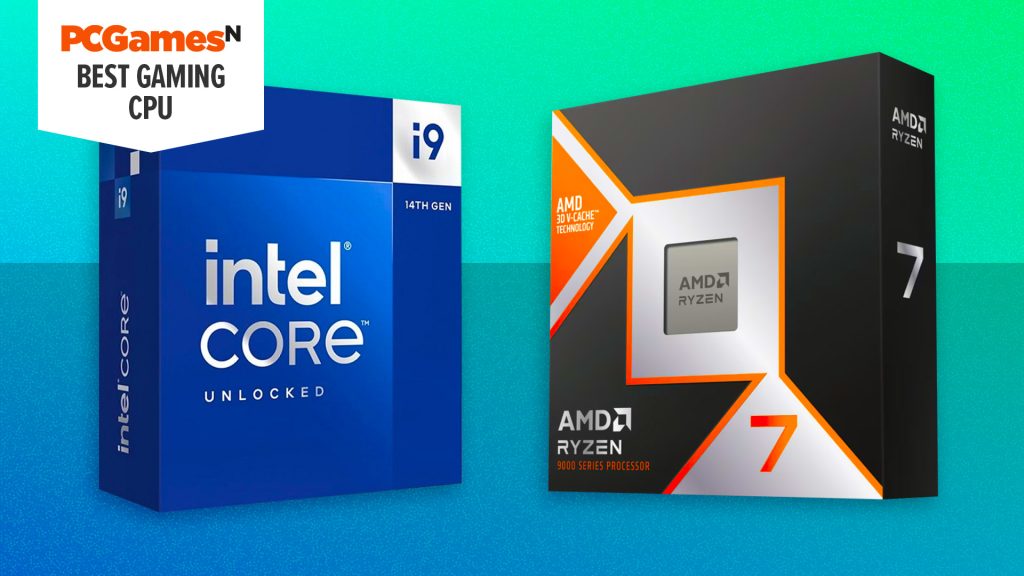
Gaming has always pushed CPUs to their limits. In 2026:
Best gaming CPUs 2026 feature high single-core performance, supporting the latest GPUs with minimal bottlenecks.
CPUs optimize for ray tracing and AI upscaling technologies in real-time.
Cloud gaming benefits from efficient server CPUs, reducing latency and improving player experiences worldwide.
For gamers, next-gen CPUs offer smoother performance at 4K and 8K resolutions, enhanced frame stability, and integration with AI-driven features like real-time game physics.
CPUs and AI Workloads

AI is not just a trend; it is shaping the future of computing. With CPUs now integrating AI cores:
Consumer devices can handle on-device AI inference without needing cloud servers.
Enterprises deploy CPUs that manage both general workloads and AI tasks.
Developers benefit from hybrid systems where CPUs and GPUs collaborate seamlessly.
This shift reduces latency, improves privacy (as data doesn’t always leave the device), and boosts efficiency.
Future of CPU Design Beyond 2026
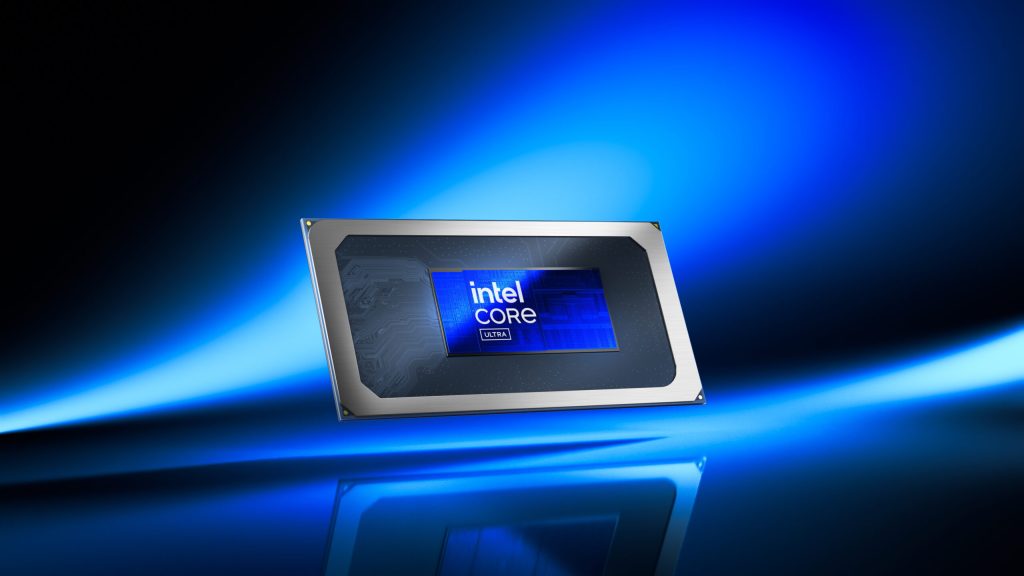
Looking ahead, CPUs are expected to evolve in exciting directions:
Sub-2nm technology – with research into 1.4nm and even quantum-inspired designs.
3D stacking – layering CPU cores vertically for exponential performance gains.
Neuromorphic computing – CPUs designed to mimic the human brain for next-gen AI.
Integration with quantum processors – hybrid architectures that combine classical CPUs with quantum accelerators.
By 2030, CPUs may look entirely different, moving beyond traditional silicon into graphene and photonic processors.
Conclusion: CPUs in 2026 and Beyond
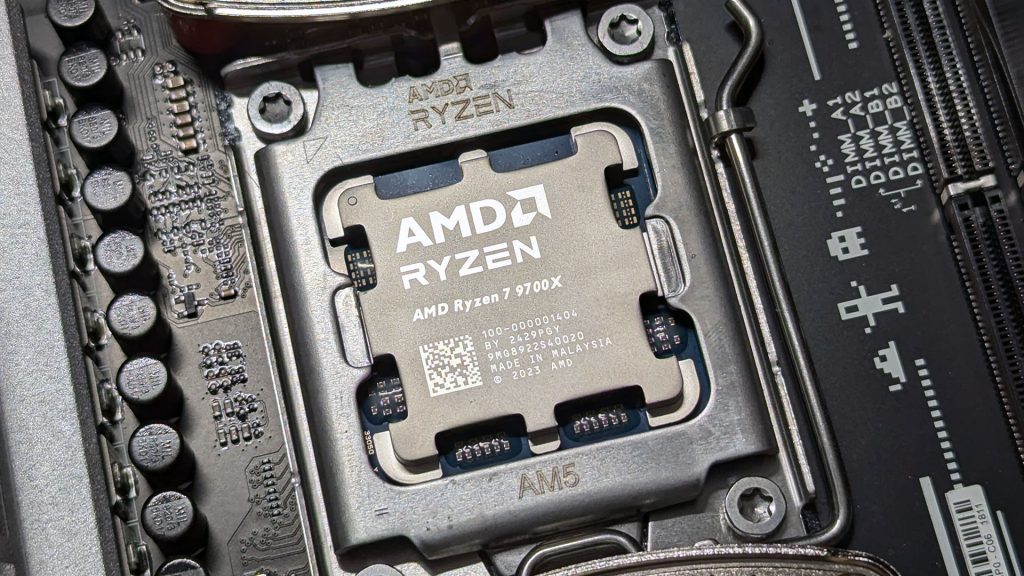
The next-gen CPUs 2026 are not just incremental updates—they are transformative leaps forward. By combining raw performance, energy efficiency, and AI-driven intelligence, CPUs are reshaping the future of computing. Whether for gaming, AI, cloud computing, or professional workloads, these processors are the backbone of modern digital life.
From Intel’s hybrid designs to AMD’s scalable chiplets, Apple’s ARM-based silicon, and ARM’s eco-efficient innovations, the CPU market has never been more competitive or exciting. For consumers, this means more choice, better performance, and greater efficiency than ever before.
The journey of CPU evolution is far from over. If 2026 is any indication, the next decade will deliver innovations that redefine not just computing but how humans interact with technology itself.
uexzhiklkxxodvhespewjpzuutijrr
I recently discovered this wonderful gaming platform and I am really impressed with the overall quality. The betting options are diverse and the odds are always fair. I enjoy playing here after work because it helps me unwind in the best way possible. Thank you for such an awesome experience. bd3333bet33
If you miss the electric atmosphere of downtown Vegas you will feel right at home here. The slot collection is massive and I love that they feature games from both legacy developers and new studios. Their welcome offer is straightforward with no confusing rollover conditions. It is my go to spot for Friday night entertainment. Play at the official site slotsofvegaslogin
Finding a site that actually listens to players is rare these days. I appreciate how transparent they are about their terms and how easy it is to track my bets. The mobile version works flawlessly even on slower connections. Explore vnmcwlink and see the difference for yourself. vnmcwlink
I love how straightforward the registration process is. No hidden fees and everything is transparent. 4444win3 is a winner for me.
Really enjoying the game selection here. The payouts are fair and the interface is super smooth. Definitely my new favorite spot for slots! Check out m4winslot for a great time.
Best experience I’ve had in a while. The customer support is helpful and the bonuses are actually worth it. Give phokjili a shot and see for yourself.
Finally found a place that doesn’t lag during big wins. Great variety of games and the customer support is top notch. Check out krevos168 if you want a fair gaming experience.
The focus on chiplets, 2nm efficiency, and integrated AI accelerators shows how CPU design is moving beyond raw clock speed. Reference2Video could help turn these architecture comparisons into clear visual explainers by combining benchmark charts, processor diagrams, and reference media into engaging videos.
Well researched and easy to follow, thanks.
This app is a game changer. The graphics are amazing and it doesn’t lag at all. Perfect for relaxing after a long day. Download jljl44app
Nicely done, keep up the excellent work.
The focus on performance-per-watt, modular chiplets, and specialized AI instructions is especially compelling. It also highlights how efficiency matters beyond data centers: browser-local tools like Pitch Changer can process audio and export WAVs without uploads, combining responsive performance with better privacy and lower cloud overhead.
The login process is seamless and the slots are hitting great lately. I’ve had a few big wins this week alone. Love gerbang88slotlogin