
SSD and NVMe Technology: Speed Without Limits
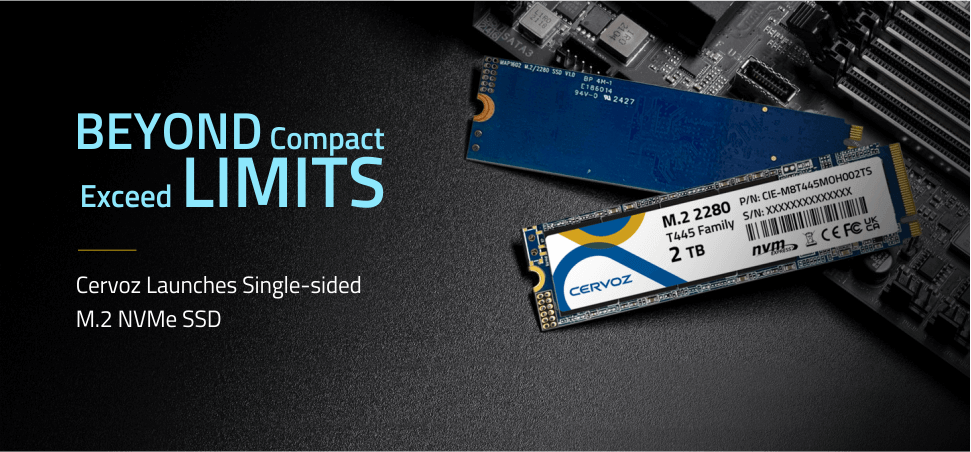
The storage landscape has experienced a dramatic transformation over the last decade, driven by the rise of SSD and NVMe technology. Solid-State Drives (SSDs) have replaced traditional Hard Disk Drives (HDDs) in most modern systems, delivering faster boot times, quicker file transfers, and enhanced reliability. Meanwhile, Non-Volatile Memory Express (NVMe) technology has revolutionized storage even further, enabling ultra-fast data transfer speeds and reducing latency to levels previously unimaginable.
As the demand for speed, responsiveness, and large-scale data processing continues to grow, SSD and NVMe technologyhave become critical for both consumers and enterprises. From gaming PCs and content creation workstations to data centers and cloud computing platforms, these technologies are shaping the future of storage. This article explores the evolution, current innovations, challenges, and future prospects of SSDs and NVMe drives.
Understanding SSD and NVMe Technology: Ultra-Fast Storage Explained
What is an SSD in SSD and NVMe Technology
A Solid-State Drive (SSD) is a storage device that uses NAND flash memory to store data persistently, with no moving parts. Unlike traditional Hard Disk Drives (HDDs), which rely on spinning disks and read/write heads, SSDs deliver faster read/write speeds, lower power consumption, and increased durability.
SSDs have become standard in laptops, desktops, and gaming consoles, providing faster system responsiveness, near-instant boot times, and quick file transfers. Their impact on computing performance is significant, as storage speed often dictates overall system efficiency.
NVMe Technology Explained: Boosting SSD Performance
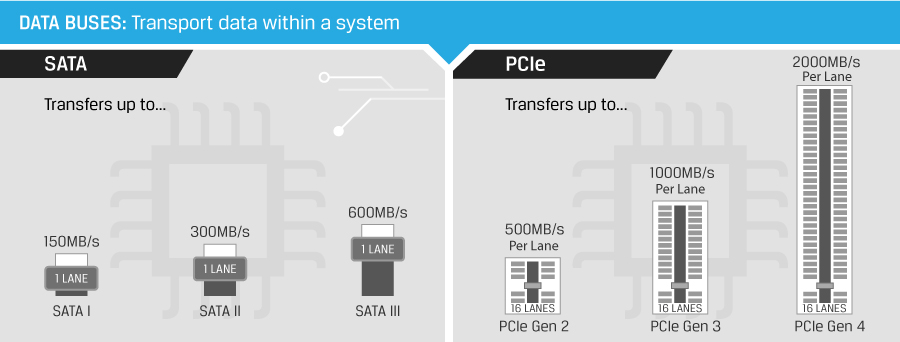
NVMe (Non-Volatile Memory Express) is a protocol designed to maximize the performance of SSDs by connecting directly to the PCIe (Peripheral Component Interconnect Express) bus. Unlike older SATA interfaces, NVMe eliminates the bottleneck of traditional storage protocols, enabling high-speed parallelism and low-latency data access.
With NVMe SSDs, read and write speeds can reach several gigabytes per second, making them ideal for demanding tasks like 4K video editing, large-scale database operations, and next-generation gaming. The combination of SSD and NVMe technology represents the pinnacle of modern storage performance.
The Evolution of SSD and NVMe Technology Over Time
Early SSDs and the Rise of SSD and NVMe Technology
The first SSDs emerged in the late 20th century but were limited by cost, storage capacity, and interface speed. Early models were used primarily in enterprise settings and high-end workstations, providing faster access times than HDDs but at a significant premium.
SATA SSDs vs NVMe: Comparing SSD and NVMe Technology
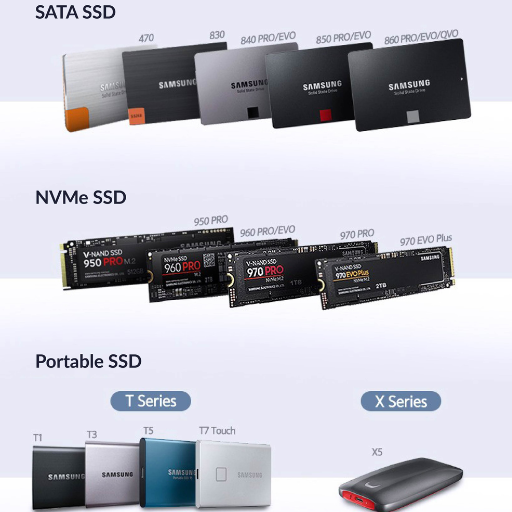
The introduction of SATA-based SSDs brought solid-state storage to the consumer market. SATA III interfaces allowed speeds up to 600 MB/s, a substantial improvement over traditional HDDs. SATA SSDs quickly became popular in laptops and desktops due to their affordability, reliability, and performance boost.
NVMe SSDs: The Future of SSD and NVMe Technology
NVMe SSDs marked the next significant leap, offering several gigabytes per second in read/write speeds. By leveraging the PCIe interface and a protocol optimized for NAND flash memory, NVMe SSDs reduced latency dramatically. High-performance NVMe SSDs are now essential for gaming, professional content creation, and data-intensive applications.
The evolution of SSD and NVMe technology demonstrates how storage has progressed from slow, mechanical disks to high-speed, low-latency devices capable of handling the demands of modern computing.
Key Innovations in SSD and NVMe Technology
High-Speed NAND Flash Memory
Modern SSDs use advanced NAND flash memory, such as TLC (Triple-Level Cell), QLC (Quad-Level Cell), and emerging PLC (Penta-Level Cell) technologies. These innovations increase storage density while maintaining performance, reliability, and endurance.
PCIe Gen4 and Gen5 NVMe Drives
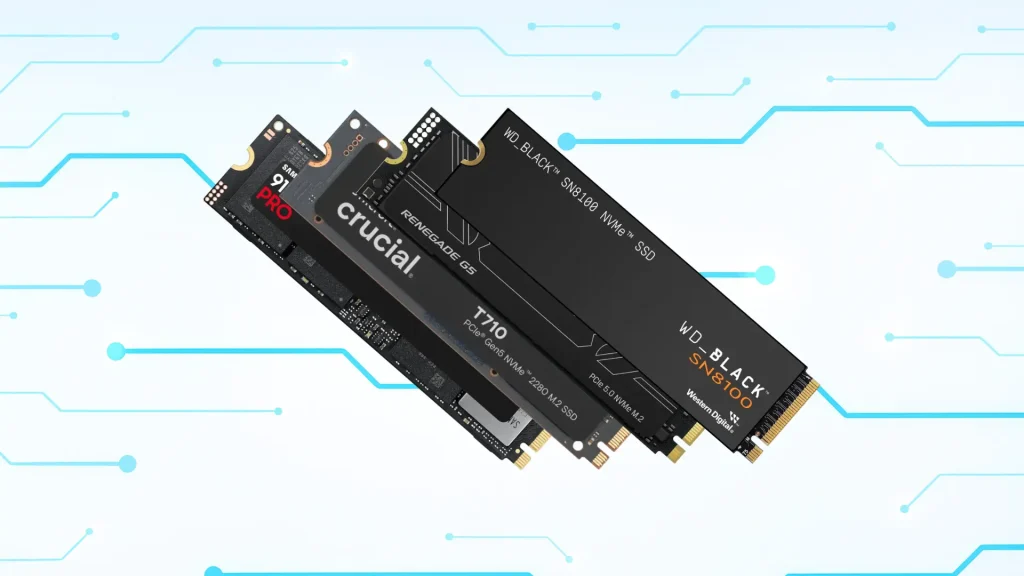
The introduction of PCIe Gen4 and Gen5 has significantly increased NVMe SSD speeds. Gen4 NVMe SSDs offer up to 7,000 MB/s read speeds, while Gen5 drives can exceed 10,000 MB/s, pushing the limits of storage performance and enabling real-time processing of massive datasets.
Hardware-Accelerated Encryption
Security is a key concern in storage. Modern SSDs incorporate hardware-accelerated encryption, providing data protection without sacrificing performance. NVMe drives often include AES-256 encryption and TCG Opal support, making them suitable for enterprise and consumer applications requiring high security.
Thermal Management and Reliability
High-speed NVMe SSDs generate heat under heavy workloads. Manufacturers have introduced advanced cooling solutions, including heat sinks, thermal pads, and firmware-level temperature throttling, to maintain consistent performance and prolong device lifespan.
Enterprise-Grade Features
For enterprise environments, NVMe SSDs provide features like end-to-end data protection, power-loss protection, and enhanced error-correcting code (ECC). These innovations ensure data integrity and reliability, crucial for servers, cloud infrastructure, and mission-critical applications.
SSD and NVMe in Gaming and Creative Workflows
Gaming Performance
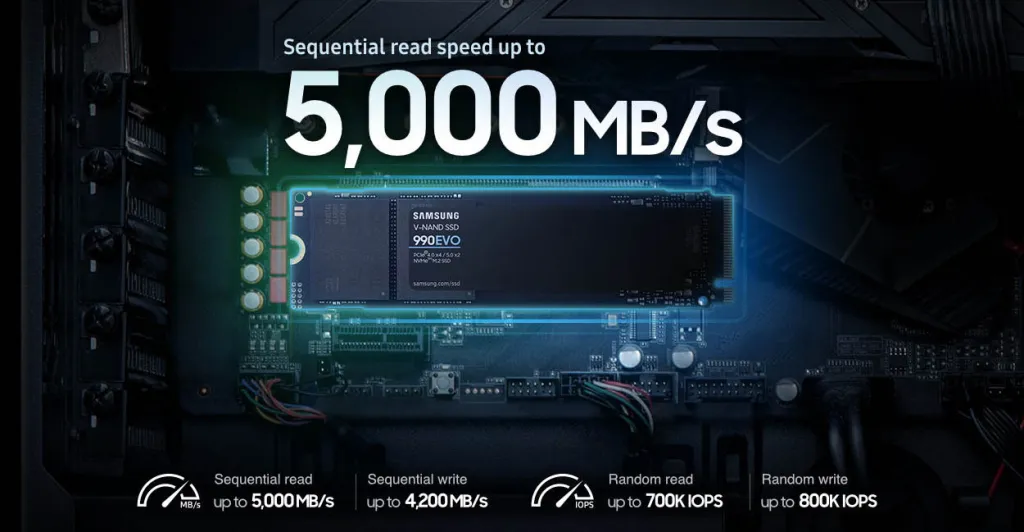
Gamers benefit greatly from SSD and NVMe technology, as game load times and asset streaming are significantly faster than on traditional HDDs. Open-world games, large-scale simulations, and next-gen titles utilize NVMe SSDs to minimize texture pop-in, reduce latency, and deliver seamless gameplay.
Content Creation
For professional video editing, 3D modeling, and audio production, NVMe SSDs enable rapid file transfers, real-time previews, and efficient multi-layer rendering. Creators working with 4K and 8K footage or large datasets rely on NVMe drives to maintain smooth workflows and meet tight deadlines.
Virtual Machines and High-Performance Computing
NVMe SSDs are integral to virtualization and high-performance computing (HPC). Low-latency storage allows virtual machines to operate efficiently, supports massive parallel workloads, and accelerates data-intensive simulations, making NVMe technology essential for enterprises and research environments.
Future Trends in SSD and NVMe Technology
PCIe Gen6 and Beyond
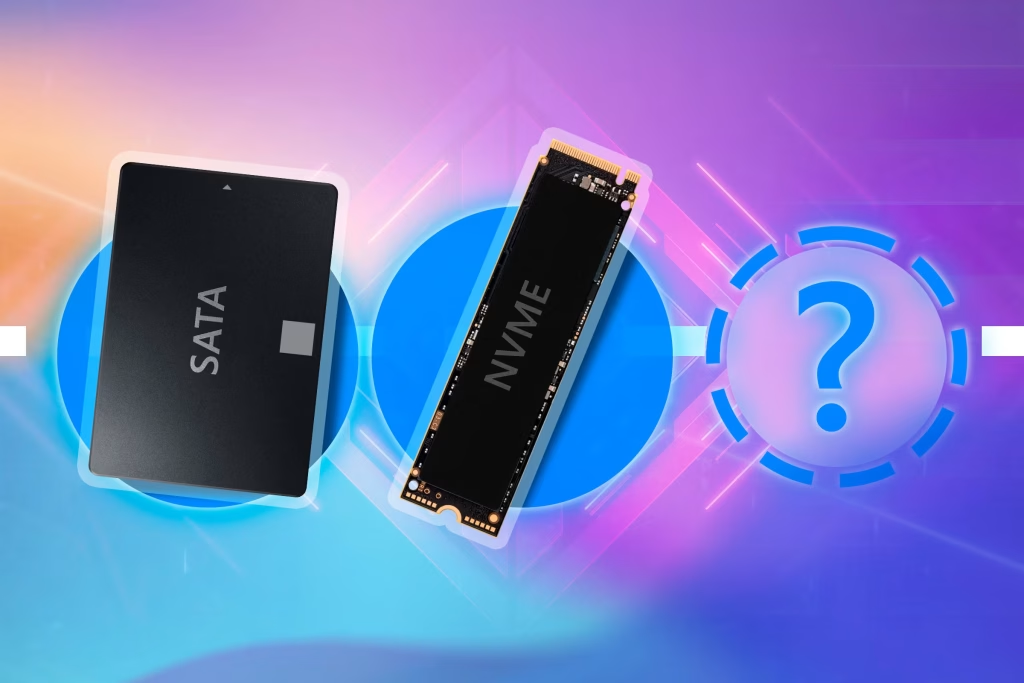
The next generation of PCIe (Gen6) promises double the bandwidth of Gen5, opening new possibilities for storage performance. SSDs leveraging PCIe Gen6 will provide unprecedented speeds, enabling real-time processing for AI workloads, big data analytics, and next-generation gaming.
Computational Storage
Emerging computational storage combines NVMe SSDs with onboard processing capabilities. These drives can perform data processing tasks directly on the storage device, reducing data movement, improving efficiency, and offloading workloads from CPUs.
3D NAND and Beyond
Storage densities continue to increase with 3D NAND advancements. Layer counts are growing, enabling higher capacities without expanding physical footprint. Future developments in NAND technology promise even faster, more reliable, and energy-efficient storage.
AI Integration
Artificial intelligence will play a greater role in storage optimization. Predictive caching, intelligent data placement, and adaptive performance tuning are examples of AI-driven enhancements that will improve efficiency and user experience.
Energy Efficiency and Sustainability
As data centers consume more power, energy-efficient SSDs are critical. Future NVMe drives will prioritize lower power consumption, sustainable manufacturing, and longer lifespans, balancing high performance with environmental responsibility.
Challenges and Considerations
Cost
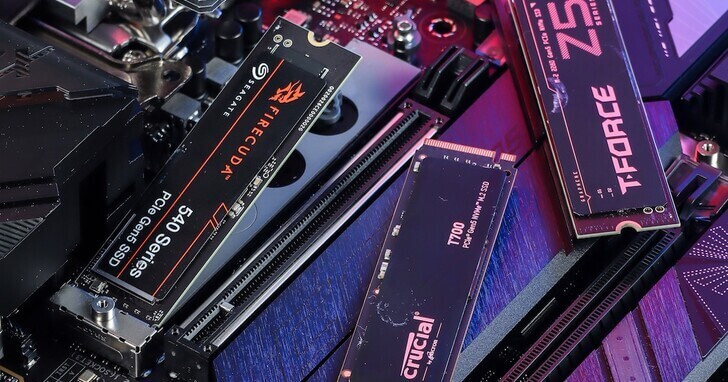
High-performance NVMe SSDs remain expensive, particularly for large capacities. Balancing cost with performance is a challenge for consumers and enterprises alike.
Compatibility
Older motherboards and systems may not support NVMe drives or PCIe Gen4/Gen5 speeds. Users must ensure compatibility when upgrading storage.
Heat Management
High-speed NVMe SSDs generate heat, which can affect performance and longevity. Proper cooling solutions and firmware optimization are essential for reliable operation.
Data Longevity
While SSDs are more durable than HDDs in terms of mechanical failure, NAND flash cells have finite write cycles. Enterprise SSDs mitigate this with wear-leveling and over-provisioning, but consumer users should be aware of endurance limits.
Conclusion
SSD and NVMe technology have transformed storage, delivering speed, reliability, and efficiency that were unimaginable with traditional HDDs. From gaming and content creation to enterprise applications and cloud computing, these innovations provide a foundation for modern computing.
As technology continues to evolve, the future of storage will be defined by higher speeds, greater capacities, AI-driven enhancements, and sustainable designs. NVMe SSDs will remain at the forefront of this revolution, offering performance without limits and enabling new possibilities across industries.
The combination of SSD and NVMe technology ensures that storage no longer constrains performance, empowering users and enterprises to push the boundaries of computing and gaming.
SEO продвижение под ключ — включает ли оно написание контента или это оплачивается отдельно?
Можно ли seo продвижение заказать с оплатой после результата?