
AI-Driven Mobile Experiences
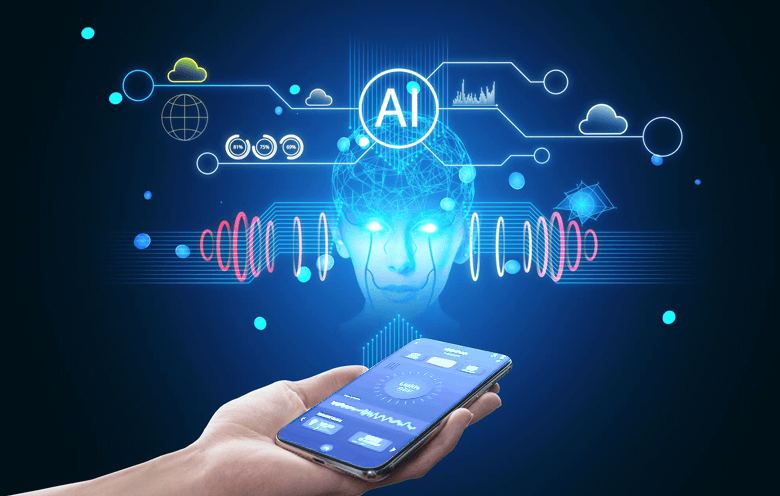
AI-driven mobile experiences have become one of the most transformative technologies of the 21st century. From voice assistants and recommendation systems to advanced machine learning models powering industries, AI is deeply embedded in modern life. One of the most profound areas of impact is the mobile ecosystem, where billions of people interact with their smartphones every day.
AI-driven mobile experiences are redefining how users engage with devices, applications, and services. Smartphones are no longer just communication tools—they have become intelligent companions capable of understanding context, learning preferences, and predicting user needs. Whether it’s optimizing battery life, enhancing photography, powering virtual assistants, or enabling personalized recommendations, AI is reshaping mobile technology at every level.
This article explores the innovations driving AI in mobile, real-world use cases, future trends, challenges, and how AI-powered smartphones will continue to evolve.
The Role of AI in AI-Driven Mobile Experiences
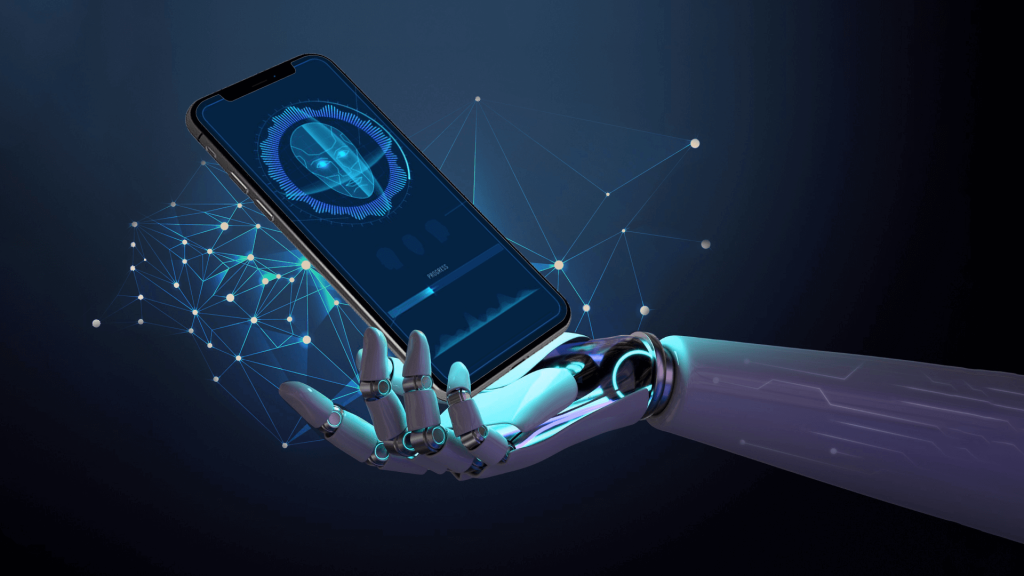
AI as the Core of AI-Driven Mobile Experiences
Today’s smartphones are equipped with specialized hardware such as Neural Processing Units (NPUs) and AI accelerators designed specifically to handle machine learning tasks. This hardware integration allows mobile devices to run AI models locally, enabling faster processing and reduced reliance on cloud-based services.
From facial recognition to predictive text, AI is no longer an optional feature—it’s the foundation of modern mobile experiences.
Why AI Matters in AI-Driven Mobile Experiences
- Personalization: Adapts to user behavior, preferences, and habits.
- Efficiency: Optimizes battery, connectivity, and resource usage.
- Security: Enables biometric authentication and anomaly detection.
- Creativity: Enhances photography, video editing, and content creation.
- Accessibility: Supports voice commands, translation, and real-time transcription.
In essence, AI in mobile apps is about creating intuitive, seamless, and intelligent experiences.
Key Innovations in AI-Driven Mobile Experiences
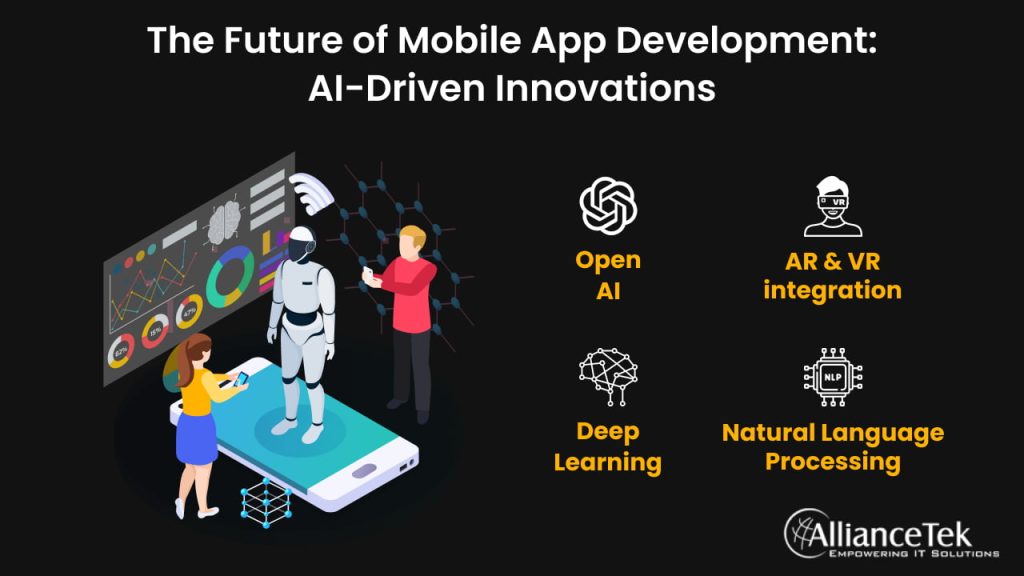
Smart Virtual Assistants in AI-Driven Mobile Experiences
Voice assistants like Siri, Google Assistant, and Alexa are classic examples of AI-driven mobile experiences. These tools leverage natural language processing (NLP) and machine learning to understand commands, answer questions, and perform tasks. With each interaction, they become smarter and more personalized.
AI-Powered Cameras in AI-Driven Mobile Experiences
Mobile photography has been revolutionized by AI. Smartphones now feature AI-enhanced image processing, scene recognition, and computational photography. AI adjusts lighting, sharpens images, reduces noise, and even applies artistic effects in real time.
For example:
- Night mode uses AI to merge multiple frames into one bright image.
- Portrait mode applies background blur intelligently.
- AI scene detection optimizes settings for landscapes, food, or people.
Predictive Text in AI-Driven Mobile Experiences
Typing on mobile devices has become faster thanks to AI-driven predictive text. Smart keyboards learn from user habits to suggest words, correct grammar, and even recommend emojis.
Personalized Recommendations in AI-Driven Mobile Experiences
AI powers recommendation engines across mobile apps. Streaming platforms suggest movies, shopping apps recommend products, and social media curates content feeds—all based on individual behavior and preferences.
Real-Time Translation in AI-Driven Mobile Experiences
AI-driven translation apps like Google Translate provide instant text, voice, and camera translation. Neural machine translation models enable more accurate and context-aware results, breaking down language barriers in real time.
Adaptive Battery and Performance Management
AI optimizes smartphone resources by learning usage patterns. It prioritizes background processes, adjusts CPU power, and manages apps to extend battery life while ensuring smooth performance.
Real-World Applications of AI in Mobile
Healthcare Apps
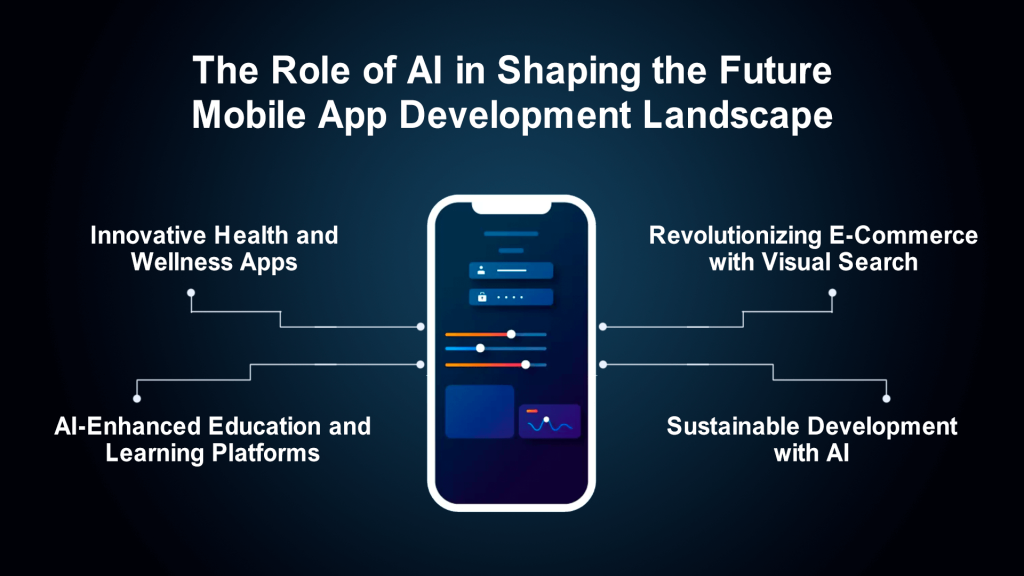
AI enables health monitoring, from analyzing heart rate and sleep patterns to detecting irregularities through wearable sensors. Mobile apps powered by AI support preventive care and telemedicine services.
Finance and Mobile Banking
AI chatbots in banking apps assist customers with transactions, provide personalized financial advice, and detect fraudulent activities.
E-Commerce
Mobile shopping apps use AI to deliver tailored recommendations, predict trends, and even enable visual search where users take a photo of an item to find similar products online.
Education
AI-driven learning apps provide adaptive quizzes, language learning, and personalized study paths. Duolingo, for example, uses AI to adjust lessons based on learner performance.
Gaming
AI enhances mobile gaming through adaptive difficulty, realistic NPC behavior, and personalized in-game recommendations. Cloud-based AI also supports multiplayer matchmaking and fraud detection.
Future Trends in AI-Driven Mobile Experiences
Hyper-Personalization
The next generation of mobile AI will provide deeply personalized experiences—from tailoring user interfaces to predicting daily tasks. Phones will act as proactive assistants, suggesting actions before users even ask.
On-Device AI Processing
As NPUs and mobile AI chips improve, more processing will happen locally, enhancing speed, security, and offline usability. This will reduce reliance on the cloud while preserving user privacy.
AI in Augmented and Virtual Reality
AI will merge with AR and VR to create immersive mobile experiences. From AI-generated 3D environments to real-time virtual assistants in AR glasses, mobile AI will expand beyond smartphones.
AI and 5G/6G Integration
The combination of AI with ultra-fast 5G and future 6G networks will enable real-time, data-intensive applications such as holographic communication, AI-powered IoT, and smart city integration.
Ethical AI and Transparency
Future development will focus on responsible AI, ensuring that algorithms remain fair, unbiased, and transparent. Mobile platforms will need to balance personalization with user trust.
Challenges of AI in Mobile Technology
Privacy Concerns
AI-driven personalization often requires large amounts of user data. Striking a balance between convenience and data privacy is a key challenge.
Computational Limitations
While AI chips are improving, mobile devices still face constraints in processing power and energy efficiency compared to cloud servers.
Security Risks
AI models themselves can be vulnerable to adversarial attacks. Ensuring secure AI systems on mobile devices is critical.
App Optimization
Not all developers have the resources to integrate advanced AI features. Ensuring consistency across apps and ecosystems remains a challenge.
The Impact on Industries and Society
Businesses
Companies that leverage AI-driven mobile experiences will stand out with personalized customer engagement, efficient operations, and better decision-making.
Consumers
Users will enjoy smarter, more intuitive devices that anticipate needs, save time, and enhance creativity.
Society
Widespread adoption of AI in mobile technology could improve accessibility, healthcare, education, and communication, reducing barriers and enhancing quality of life.
Conclusion
AI-driven mobile experiences are transforming smartphones from passive tools into intelligent companions. From voice assistants and AI-powered cameras to predictive text and personalized recommendations, artificial intelligence is embedded in every aspect of mobile technology.
Looking ahead, AI will only deepen its integration, offering hyper-personalized, secure, and immersive experiences powered by on-device AI and next-generation networks. Challenges such as privacy, transparency, and computational limitations must be addressed, but the benefits are undeniable.
In the future, smartphones will no longer just respond to commands—they will anticipate needs, make proactive decisions, and act as true digital partners. AI in mobile apps and devices is not just an innovation—it is the foundation of the mobile ecosystem of tomorrow.